Revvity Signals Software’s announcement that NEXUS India 2026, described as a premier R&D user conference, will return to Mumbai is a useful signal for event organizers.
On its own, that public announcement does not give us the full operating plan, attendance model, agenda design, venue layout, or staffing structure behind the event. But it does point to something operationally important: large user conferences are not just brand moments. They are high-density service environments where content, customer relationships, product education, and logistics all have to work together.
For conference producers, customer marketing teams, and event operations leads, that matters because user conferences often carry more expectations than a standard industry event. Attendees want learning, access, networking, roadmap context, and proof that their time away from work was worth it.
A user conference succeeds when the operating model supports the customer journey, not only the stage program.
Why this matters
A large-scale user conference usually serves several goals at once.
It may need to educate current customers, strengthen loyalty, support product adoption, give executives a platform, create upsell or cross-sell opportunities, and reinforce community in a specific market. That combination creates planning pressure in predictable places.
- different attendee groups arrive with very different expectations
- session demand can become uneven across tracks
- networking and education often compete for the same time
- VIPs, speakers, customers, and prospects may need separate service levels
- on-site support questions rise when the audience is product-focused
- regional delivery details matter more when the event returns to a major city like Mumbai
For event teams, the lesson is straightforward: scale adds complexity, but audience specificity adds even more.
What the public signal actually tells us
From the information available here, the confirmed signal is limited but meaningful: Revvity Signals Software has announced NEXUS India 2026, positioned as a premier R&D user conference, and the event is returning to Mumbai.
That is enough to support a practical discussion about how to plan a large user conference well.
What this does not confirm on its own is:
- the final venue and space configuration
- the expected attendee count
- how many content tracks will run
- whether the event includes training, certification, expo, or partner components
- what event technology stack will be used on site
- how customer segmentation will shape the program
That distinction matters.
An event announcement is a useful planning signal, not a complete operating blueprint.
Returning to a city changes the planning task
When an event returns to a city, the team is not planning in a vacuum.
There may already be audience expectations around accessibility, hotel patterns, travel ease, venue standards, and the general feel of the experience. A return to Mumbai suggests continuity, but continuity should not be confused with simplicity.
For operations teams, a repeat city often creates three practical responsibilities:
- preserve what worked for the audience
- fix the friction points from the prior edition
- adapt the delivery model for the current scale and goals
If a city has worked before, the temptation is to copy last time’s structure. That is rarely enough for a growing or evolving user conference.
User conferences need stronger attendee segmentation than many trade events
A broad conference can sometimes rely on general-interest programming. A user conference usually cannot.
Even within one customer base, attendees often include:
- new users looking for practical onboarding
- advanced users seeking depth
- technical teams wanting workflow detail
- decision-makers looking for strategic direction
- partners or ecosystem participants
- internal staff supporting customers and prospects
If those groups are all pushed through the same agenda logic, the event starts to feel either too basic or too fragmented.
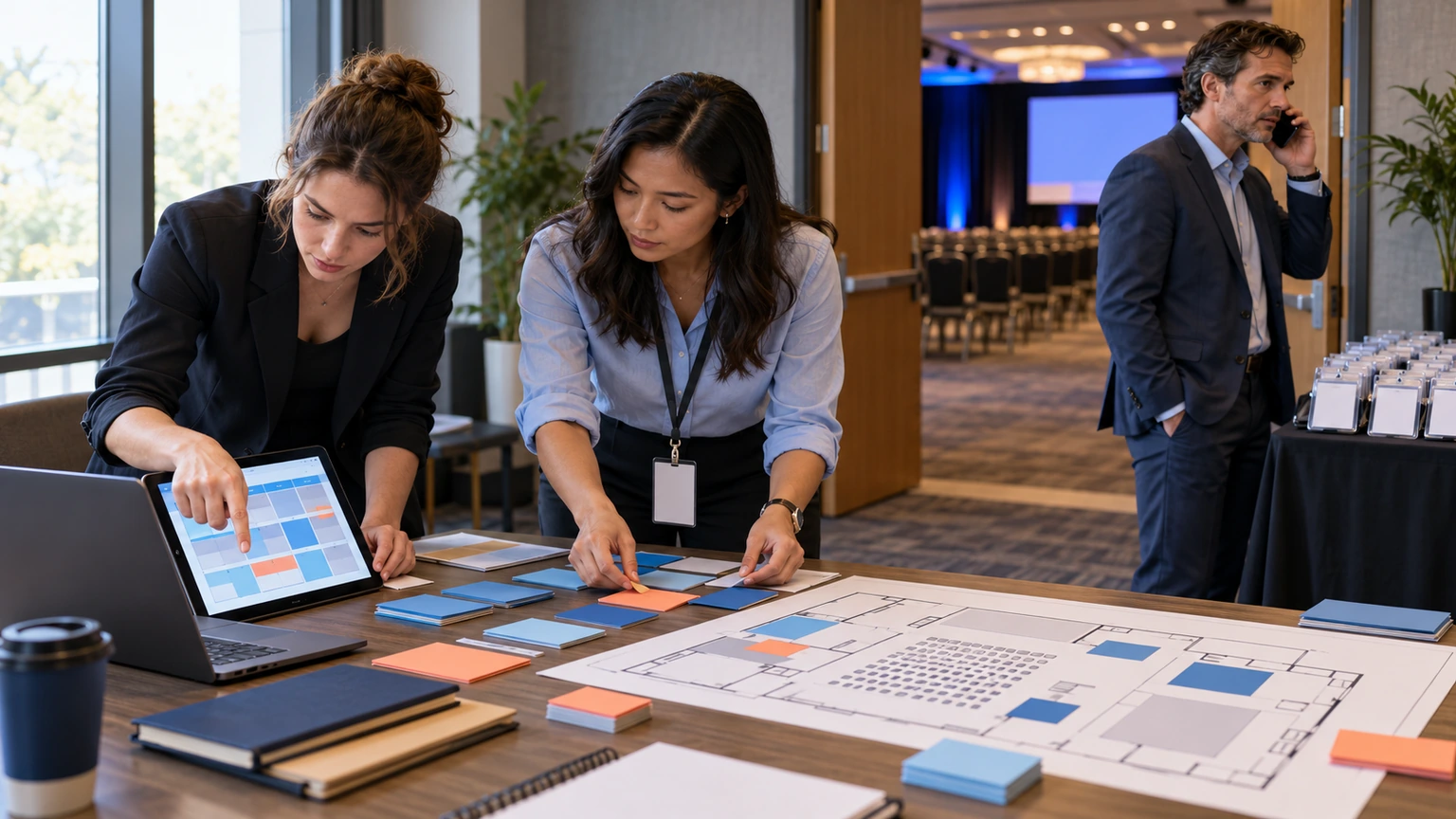
A practical response is to build the agenda and registration experience around role clarity. That does not require a complicated system first. It requires operational decisions about who the event is truly for, which journeys matter most, and where session demand is likely to peak.
Content design should reduce crowding, not create it
At large user conferences, the content team and the operations team are tightly linked.
Track design affects room turnover, hallway congestion, staffing, AV risk, signage needs, and attendee satisfaction. Popular product sessions can overload a room block faster than expected, especially when the audience is highly motivated to attend a narrow topic.
Before locking the schedule, teams should pressure-test:
- which sessions are likely to draw the broadest audience
- which topics need repeat runs or overflow planning
- whether beginner and advanced content are clearly separated
- how far attendees must move between major sessions
- whether breaks are timed to support reset and networking
This matters even more when the conference brand is built around expertise. Attendees will notice quickly if the most valuable sessions are the hardest to access.
Product learning requires a different on-site support model
Many conferences can treat help desks as a minor function. User conferences often cannot.
When attendees are there to learn about tools, workflows, or product direction, they ask more specific questions. Some are logistical. Many are not. That means event support may need tighter coordination with product, customer success, training, or solution experts.
Operationally, teams should define:
- which questions front-line event staff can answer directly
- which issues need escalation to subject matter experts
- where those experts will be physically located
- how attendees will know where to go for help
- what service level VIP customers or strategic accounts require
Without that structure, valuable attendee interactions get stuck in queues meant for badges and directions.
Networking should be designed around relevance, not just volume
Large user conferences often promise networking, but scale alone does not create useful connections.
For an R&D-focused audience, networking may be most valuable when it helps attendees compare workflows, learn from peers in similar roles, or access product specialists and community leaders.
That suggests a more deliberate approach than simply adding receptions.
Useful networking design can include:
- role-based meetups
- topic-specific discussion areas
- structured peer roundtables
- customer advisory conversations
- scheduled windows that do not compete with flagship sessions
The goal is not to over-program every interaction. It is to make the right conversations easier to start.
Regional execution details deserve early attention
An event in Mumbai brings clear potential advantages as a major business destination, but destination value does not remove delivery risk.
Large conferences in major cities still depend on practical coordination across hotels, local transport assumptions, arrival timing, staffing, signage, and venue movement. If the attendee base includes a mix of local and traveling participants, those needs can diverge quickly.
Event teams should review:
- arrival patterns by attendee segment
- hotel and venue proximity
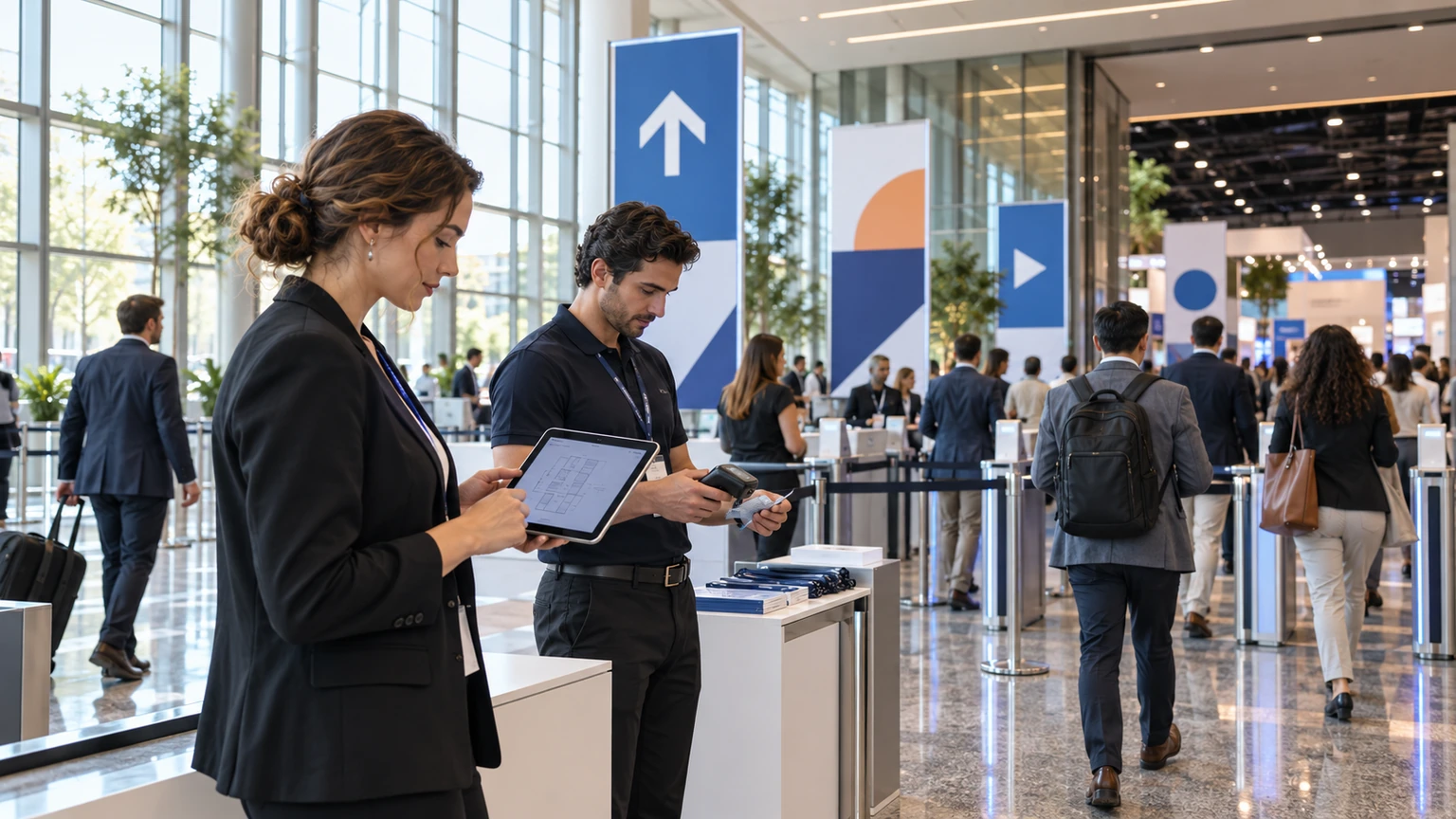
- morning peak load at registration
- language and signage clarity where relevant
- meal timing and queue design
- how weather or traffic may affect movement windows
These details often feel secondary during program planning. On site, they shape the whole experience.
Do not let executive messaging overpower practical value
User conferences usually carry strong brand and leadership expectations. That is understandable. Executives want a platform, and attendees often do want strategic context.
But the event loses value if the program becomes too top-heavy and leaves too little room for hands-on learning, customer exchange, or implementation detail.
A practical balance often looks like this:
- a clear headline narrative from leadership
- breakouts that translate vision into real use cases
- space for peer examples and customer voices
- easy navigation between strategic and technical content
- time for attendees to process, discuss, and follow up
For operations teams, this is not only a content concern. It affects room allocations, staffing plans, and traffic patterns across the day.
A practical checklist for large user conference planning
If you are planning a similar event, these are useful early checks:
- define the primary attendee segments before finalizing the agenda
- map likely high-demand sessions and plan overflow options
- separate event help functions from product or learning support functions
- design networking around shared relevance, not only open mingling
- review city, venue, hotel, and transport assumptions together
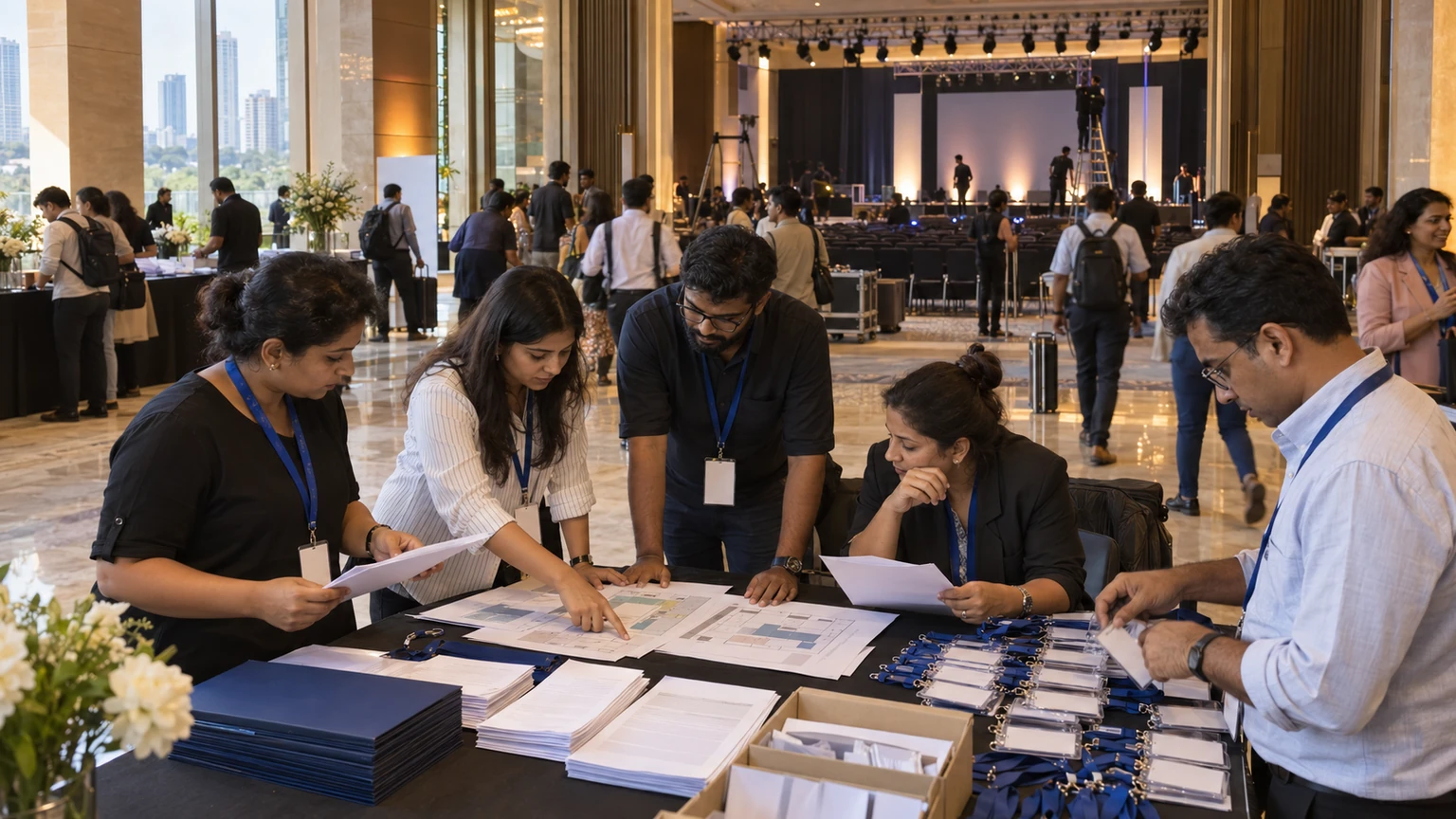
- make rooming, registration, and on-site flow part of content planning early
- align executive sessions with the practical needs of end users
- document what a repeat host city should improve from the last edition
What organizers should not assume
There are a few common mistakes to avoid when reading a conference announcement like this.
- do not assume a return to a city means the prior format can simply be repeated
- do not assume strong branding guarantees a smooth attendee journey
- do not assume user conference audiences are satisfied by keynote-heavy programming
- do not assume large scale automatically improves networking value
- do not assume product-focused attendees need less operational support
Each of these assumptions can create avoidable strain on site.
What this means for event teams
The NEXUS India 2026 announcement is best read as a practical market signal.
It suggests continued investment in user-conference formats, in-person community building, and regional customer engagement. For event operators, the deeper lesson is that large user conferences work best when they are planned as service systems, not just content showcases.
That means building around attendee roles, likely movement patterns, support needs, and the balance between learning, networking, and brand messaging.
If those pieces are aligned, scale can strengthen the conference. If they are not, scale mainly makes friction more visible.