Event teams often talk about growth in terms of bigger shows, better sponsors, and stronger attendee numbers. But many operations problems start somewhere less visible: workforce readiness.
That is why EEMA East’s launch of Beyond the Spotlight in Bhubaneswar is worth paying attention to. The public signal is straightforward: this is an initiative intended to support workers in Odisha’s event industry.
We should be careful not to claim more than the source confirms. It does not give us a full operating manual, curriculum breakdown, completion data, or measured performance results.
It does, however, point to a practical truth many organisers already know: event quality depends heavily on the skill, consistency, and confidence of the people doing the work.
When event teams invest in workforce capability, they are not only helping staff. They are reducing avoidable operational risk.
Why this matters for event operations
Upskilling can sound like an HR topic. In events, it is an operations topic.
Every event relies on dozens of repeated actions that need to happen correctly, quickly, and under pressure. When teams are undertrained, the effects show up everywhere:
- slower setup and handover
- inconsistent attendee-facing service
- more supervisor intervention
- avoidable mistakes in registration, access, or floor coordination
- weaker communication across vendors and crew
- higher stress during live delivery
That matters even more in markets or teams where labour is fragmented, seasonal, or built around freelancers and short-term crews.
A workforce program aimed at event workers suggests a more durable approach: build capability before the next crisis point, not during it.
What the public signal tells us, and what it does not
From the source idea provided, the confirmed signal is limited but meaningful: EEMA East has launched Beyond the Spotlight in Bhubaneswar to support Odisha’s event industry workers.
That is enough to support a practical discussion about workforce development in events.
What it does not confirm on its own is:
- which exact skills are being taught
- how long the program runs
- how participants are assessed
- what employers expect from graduates
- whether the program focuses on technical, service, safety, or supervisory skills
- what measurable outcomes have been achieved so far
That distinction matters. The launch is a useful signal. It is not yet proof of results.
A workforce initiative can be strategically important before it is fully measurable in public. The key is to separate the value of the direction from claims about outcomes that have not been shown yet.
Why upskilling programs matter in live events
Events run on time-sensitive coordination
In many industries, staff can correct mistakes later. In live events, many mistakes happen in public and in real time.
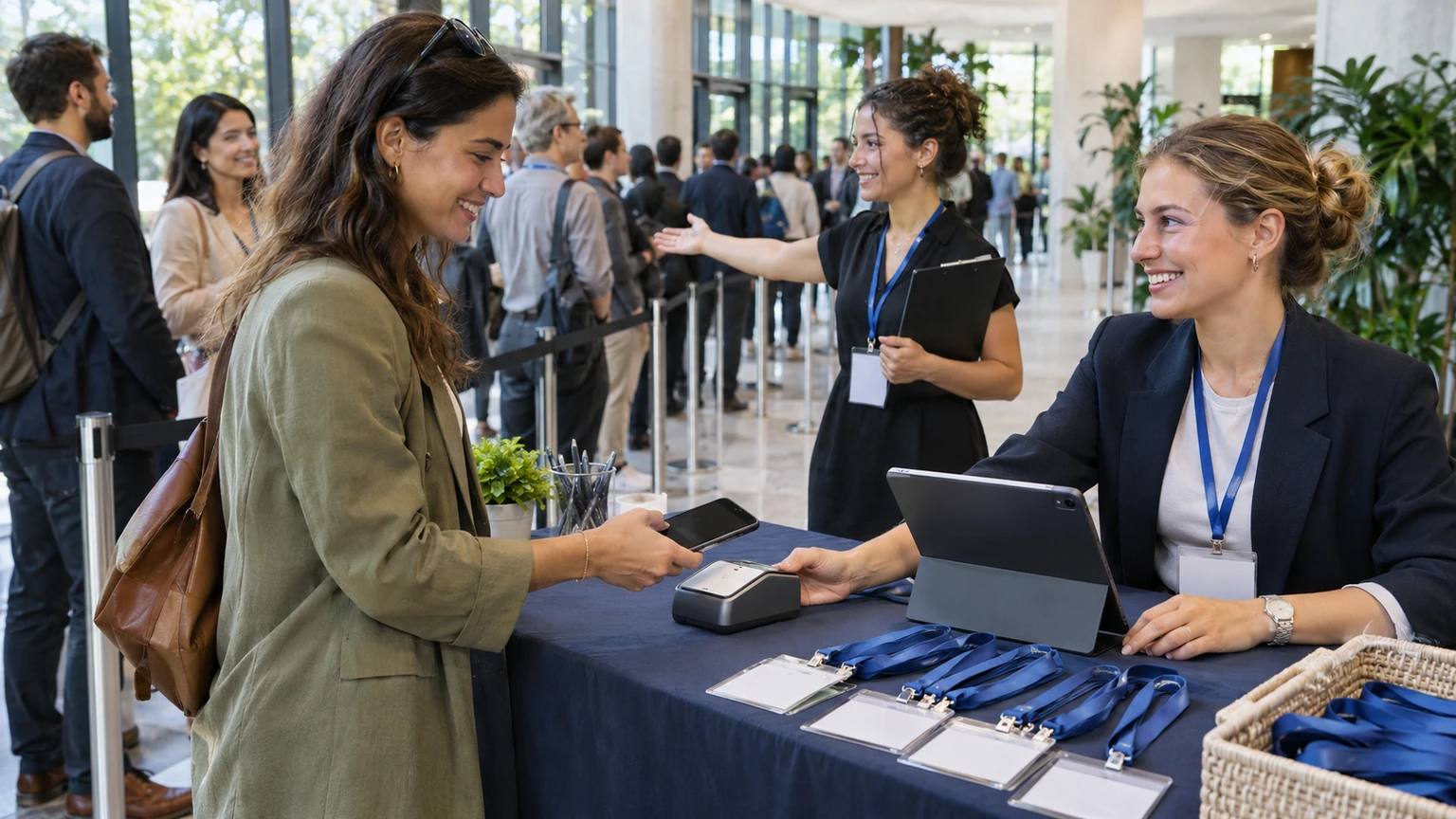
If the check-in team is unsure, if crew briefings are weak, or if frontline staff cannot answer basic attendee questions, the damage spreads quickly. Delays, queues, escalations, and poor guest experience are often symptoms of capability gaps upstream.
Informal learning is not always enough
Many event workers learn on the job. That experience is valuable, but it can also create uneven standards.
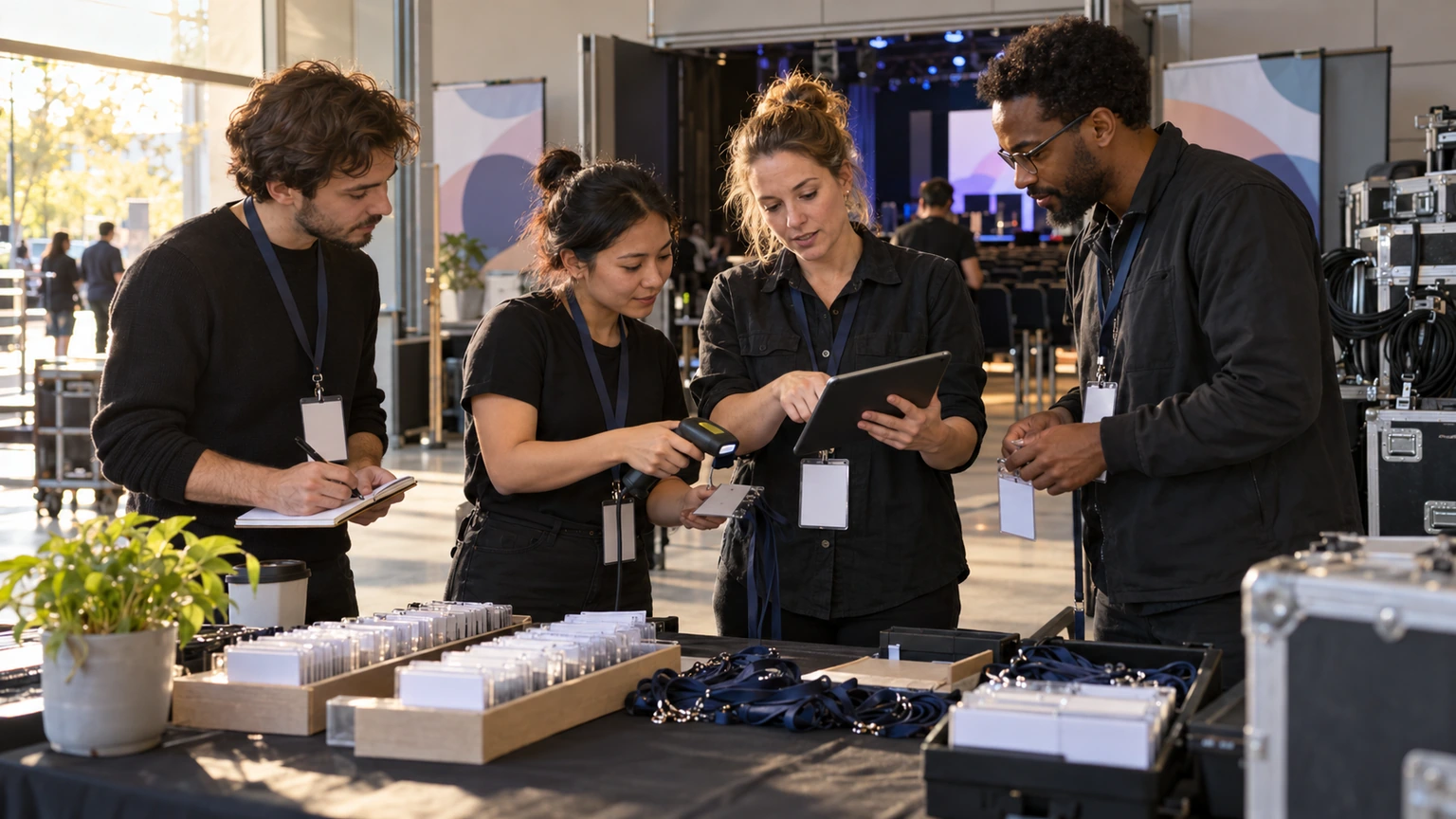
One person may know how to manage guest flow well. Another may understand vendor coordination. Another may be strong at stage timing. Without some structured transfer of those skills, teams keep relearning the same lessons event by event.
Stronger entry pathways help the whole ecosystem
If more workers enter the industry with clearer expectations, basic operating knowledge, and better role readiness, organisers benefit too. It becomes easier to delegate, scale crews, and maintain service quality across venues and formats.
What a practical upskilling program should improve
The source does not specify curriculum details for Beyond the Spotlight, so the list below is not a claim about that program. It is a practical framework event teams can use when evaluating any workforce development effort.
A useful event workforce program should ideally strengthen capability in areas such as:
- frontline attendee communication
- venue and floor discipline
- time management during setup and live show operations
- role clarity and escalation protocols
- basic safety awareness and incident response
- vendor, crew, and coordinator communication
- professional conduct under pressure
These are not glamorous skills, but they are the ones that often decide whether an event feels well run.
How organisers can apply this locally
Start with repeated failure points
If you want to build or support an upskilling effort, begin with the problems your team sees most often.
Look at recent events and ask:
- where did staff need the most live correction
- which roles created the most supervisor load
- what mistakes repeated across multiple events
- which guest-facing issues came down to unclear training
This gives you a more practical starting point than broad ideas about professional development.
Train for the role, not just the brand
Many briefings focus heavily on company values, event vision, or general orientation. Those have a place, but they do not replace role readiness.
A registration assistant needs different preparation from a floor marshal. A venue runner needs different preparation from a backstage coordinator. Useful training should reflect that operational reality.
Use simple standards people can remember
Under live event pressure, staff rarely remember long manuals. They remember short rules, role steps, and escalation paths.
For example, teams are more likely to follow:
- three steps for attendee check-in exceptions
- five key radio communication rules
- clear handover timing for shift changes
- one escalation path for access disputes
Simple standards are easier to teach, observe, and improve.
What good workforce development looks like in practice
Even without a formal academy or large budget, event teams can build a workable upskilling model.
In practice, that often includes:
- short role-based training before event week
- brief on-site refreshers before doors open
- named supervisors for each operating zone
- post-event notes on common mistakes and fixes
- repeatable checklists for temporary staff
- basic progression paths for reliable crew members
The goal is not to turn every worker into a specialist overnight. It is to reduce uncertainty in the jobs that matter most.
Where teams often get this wrong
Upskilling efforts can fail when they stay too abstract.
Common problems include:
- training that is inspirational but not role-specific
- too much classroom content and too little live simulation
- no link between training and actual event responsibilities
- no feedback loop after the event
- assuming experienced workers do not need refreshers
- treating temporary staff as replaceable instead of trainable
In event operations, the test of training is simple: did it reduce friction during delivery?
A simple framework for evaluating any event upskilling initiative
If you are assessing a workforce program, whether internal or external, these questions help:
- What specific event roles is it meant to support?
- Which operating problems should improve if it works?
- How quickly can participants apply the training on live events?
- What standards or behaviours are being reinforced?
- How will supervisors know whether readiness has improved?
- What gets updated after each event cycle?
This keeps the conversation tied to delivery, not just intent.
What this means for event teams
The launch of Beyond the Spotlight is a useful reminder that the event industry depends on more than concepts, clients, and production plans. It depends on people who know how to carry out the work well.
For organisers, venues, and staffing leads, the practical takeaway is clear: workforce development should be treated as operating infrastructure.
If your team wants more consistent delivery, better guest experience, and less live-event firefighting, training cannot be left to chance.
Programs that support event workers may not always get the same attention as major show launches or technology announcements. Operationally, they may matter just as much.