Reported record attendance at TFWA World Exhibition & Conference 2026 is a useful signal for event organizers, exhibition managers, and exhibitors.
On its own, that signal does not give us the full operating report, the exact attendance breakdown, or a complete picture of how every exhibitor performed. But it does point to something practical: when a large exhibition draws record attendance and reports meaningful industry connections, booth strategy and lead capture need to be designed for density, not just presence.
That matters because high footfall does not automatically create better outcomes. In busy halls, the difference between a productive stand and a chaotic one is usually operational discipline.
Record attendance is only valuable if the booth team can convert traffic into qualified conversations and usable follow-up.
Why this matters
Large exhibitions create a familiar problem. More people in the building often means more noise, more interruptions, and less time per interaction.
For organizers, this changes how attendee movement, queue pressure, and exhibitor support should be assessed after the event.
For exhibitors, it changes how success should be measured on the stand.
Common pressure points include:
- booths attracting traffic but failing to qualify visitors quickly
- staff spending too much time on low-fit conversations
- meetings being disrupted by crowding or poor layout
- lead capture happening inconsistently across team members
- important contacts leaving without a clear next step
- post-event teams receiving incomplete or messy lead data
In other words, bigger attendance raises the value of good process.
What the public signal actually tells us
From the information provided here, the confirmed signal is limited but meaningful: TFWA World Exhibition & Conference 2026 reportedly delivered record attendance and meaningful industry connections.
That is enough to support a practical discussion about what event teams and exhibitors should review after a high-attendance exhibition.
What it does not confirm on its own is:
- the exact attendance figure
- how attendance compared by buyer type, region, or exhibitor category
- which booths converted traffic most effectively
- what lead capture tools or workflows were used on site
- how many connections became qualified pipeline or sales activity
That distinction matters.
A record-attendance headline is a strong planning signal, not a complete performance report.
For organizers, crowd size should trigger a workflow review
When attendance climbs, organizer analysis should go beyond total turnout.
The more useful questions are operational:
- where did congestion build on the floor
- which times produced the heaviest traffic
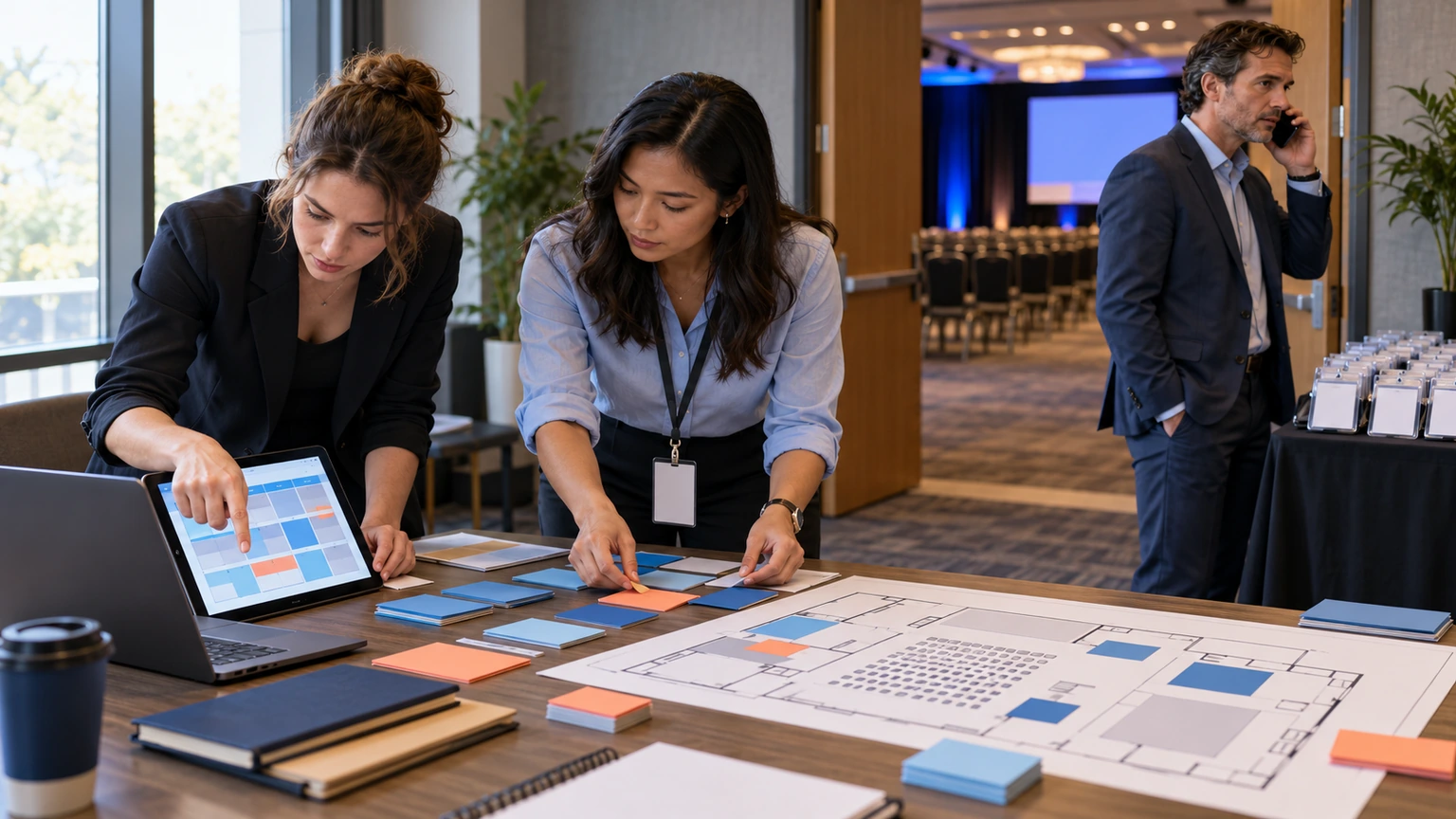
- whether meeting areas were sufficient for business conversations
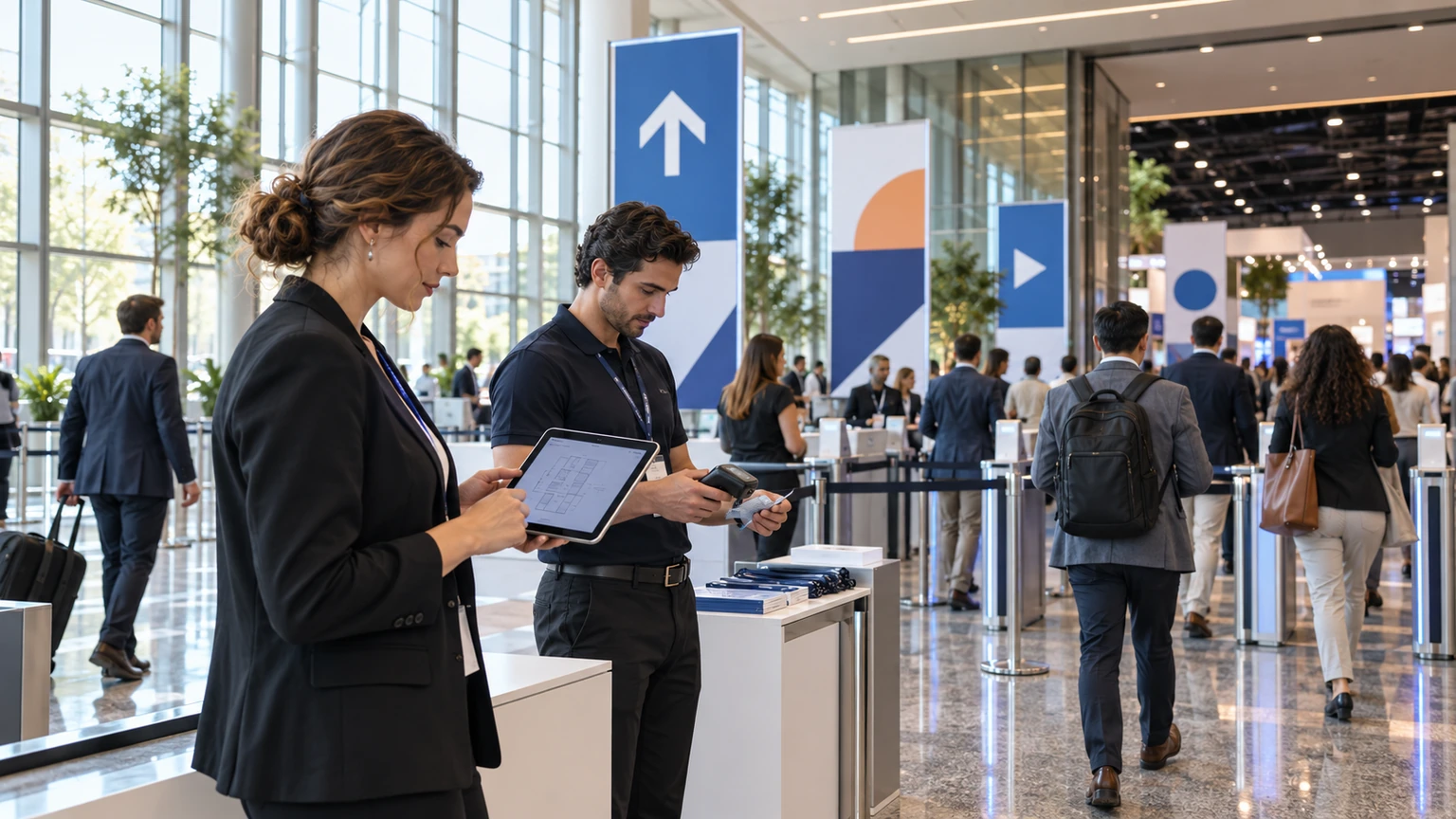
- how registration, entry, and hall access performed under peak load
- whether exhibitors had enough support during high-pressure windows
- how attendee flow affected dwell time and discovery
If an event reports strong attendance and strong connections, the next step is to understand the conditions that made those connections possible.
That helps organizers make better decisions about floor layout, aisle width, networking zones, and support staffing for the next edition.
For exhibitors, traffic volume should change booth behavior
Exhibitors often prepare for a major show by focusing on booth design, product display, and appointment setting. Those are important. But record attendance usually exposes weaker execution areas first.
At high-traffic shows, booth teams need a simple operating model for three things:
- how to greet and sort visitors quickly
- how to move qualified people into deeper conversations
- how to capture lead data consistently before the visitor leaves
Without that structure, the team can look busy all day and still lose the most valuable opportunities.
Booth strategy should separate traffic from intent
Not every booth visitor should be handled the same way.
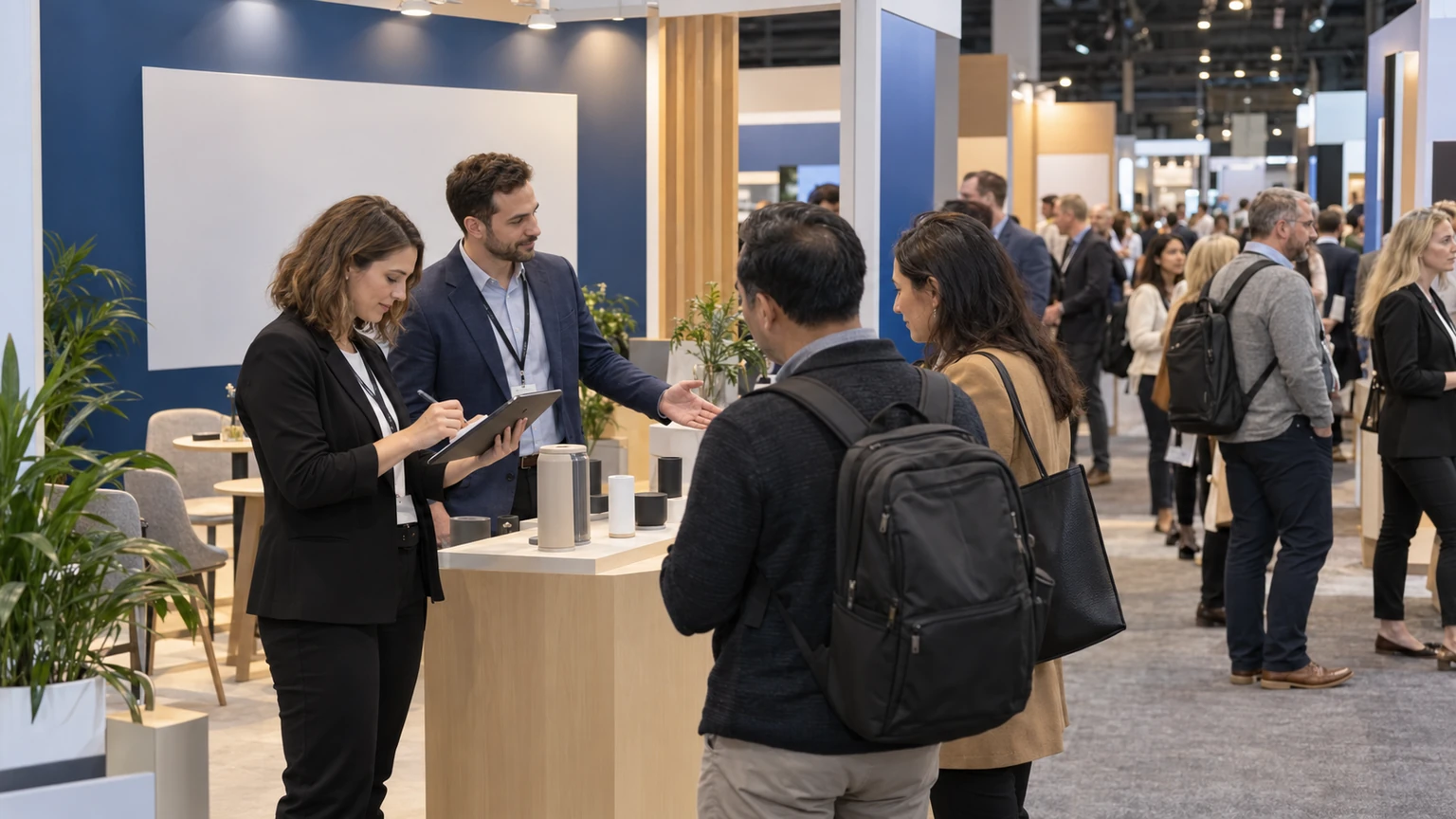
At a crowded exhibition, the first task is not to give every person a full pitch. It is to identify why they are there.
A practical triage model can include:
- buyers or decision-makers ready for a meaningful conversation
- existing customers needing account or relationship time
- partners, media, or industry contacts with a different purpose
- general visitors who need a quick introduction first
This does not need to feel cold. It simply needs to be clear.
Simple opening questions can help staff route people correctly and protect time for the highest-value interactions.
Examples of useful first questions
- What brings you to the show this year?
- Are you exploring options, meeting suppliers, or following up existing relationships?
- Is there a product category or business need you want to discuss today?
- Would you like a quick overview or a deeper conversation with a specialist?
Those questions help the team classify intent without creating friction.
Booth layout matters more when attendance rises
Record attendance increases the penalty for weak booth layout.
If the same small space must support walk-up traffic, scheduled meetings, product demonstration, and lead capture, the team needs clear zones or at least clear roles.
Even modest stands benefit from thinking in zones:
- a front edge for greeting and initial qualification
- a conversation area for short stand-up discussions
- a quieter space, if possible, for scheduled meetings
- a defined point where lead details are confirmed before the visitor moves on
When those functions blur together, staff get interrupted more often and visitors wait longer.
Lead capture fails when it depends on memory
Busy stands create a predictable mistake. Staff assume they will remember the important conversations later.
They usually do not.
Lead capture at a large exhibition should record more than a name and company. At minimum, the team should capture enough context for follow-up to make sense after the event.
Useful fields often include:
- contact name and role
- company
- interest area or product category
- buyer, partner, media, customer, or other contact type
- priority level
- key need or pain point
- agreed next step
- owner for follow-up
If that information is not captured at the booth, the post-event sales or account team will spend days trying to reconstruct intent from fragments.
Do not treat all leads as equal after a record-attendance show
One hidden downside of major attendance gains is backlog. Teams return with a larger pile of contacts, but not necessarily a clearer follow-up plan.
That is why qualification discipline matters so much during the event.
A practical post-show structure might separate contacts into:
- immediate follow-up, for high-priority prospects or active buyers
- relationship follow-up, for partners and existing accounts
- nurture follow-up, for early-stage or exploratory contacts
- information-only contacts, where no active opportunity exists yet
That sorting should begin on site, not after the team returns home.
What organizers can learn from exhibitor outcomes
If an exhibition reports meaningful industry connections, organizers should look beyond attendance totals and ask exhibitors where value was actually created.
Useful debrief topics include:
- whether traffic quality matched attendance volume
- which hall periods felt most commercially productive
- whether networking spaces supported business conversations
- how easy it was to find, meet, and move qualified contacts
- whether stand teams could capture lead data without slowing interactions
This kind of feedback is especially useful when deciding whether next year's improvements should focus on layout, timing, hosted meetings, networking design, or exhibitor services.
Practical checklist for the next large exhibition
For exhibitors
- define what qualifies as a good lead before the event opens
- train staff on a short visitor triage script
- assign clear roles for greeting, demo, meetings, and capture
- keep the lead capture fields short but specific
- record next steps while the conversation is still fresh
- separate scheduled meetings from walk-up handling where possible
- review lead quality at the end of each show day
- start post-event follow-up by priority, not by pile size
For organizers
- review congestion points and dwell patterns across the floor
- check whether meeting and networking spaces matched demand
- gather exhibitor feedback on traffic quality, not only quantity
- look at staffing and service pressure during peak windows
- assess whether the event design helped meaningful connections happen
- use attendance growth to refine floor operations, not just marketing claims
What teams should not assume
It is easy to assume that record attendance automatically means record exhibitor success. That is not always true.
High turnout can improve opportunity, but it can also expose weak lead processes, undertrained booth teams, poor meeting flow, and uneven visitor quality.
Likewise, reports of meaningful connections are encouraging, but teams still need to define what those connections looked like operationally. Were they scheduled meetings, walk-up discoveries, hosted buyer interactions, repeat customer conversations, or partner introductions? Each one has different planning implications.
What this means for event teams
The practical lesson is simple. When a major exhibition achieves record attendance, the right response is not just celebration. It is analysis.
Organizers should study how volume affected movement, meeting quality, and exhibitor experience. Exhibitors should study how booth design, staffing, and lead capture performed under pressure.
Attendance growth is valuable, but only when the operating model turns traffic into outcomes.
That is the real test of a successful exhibition floor.