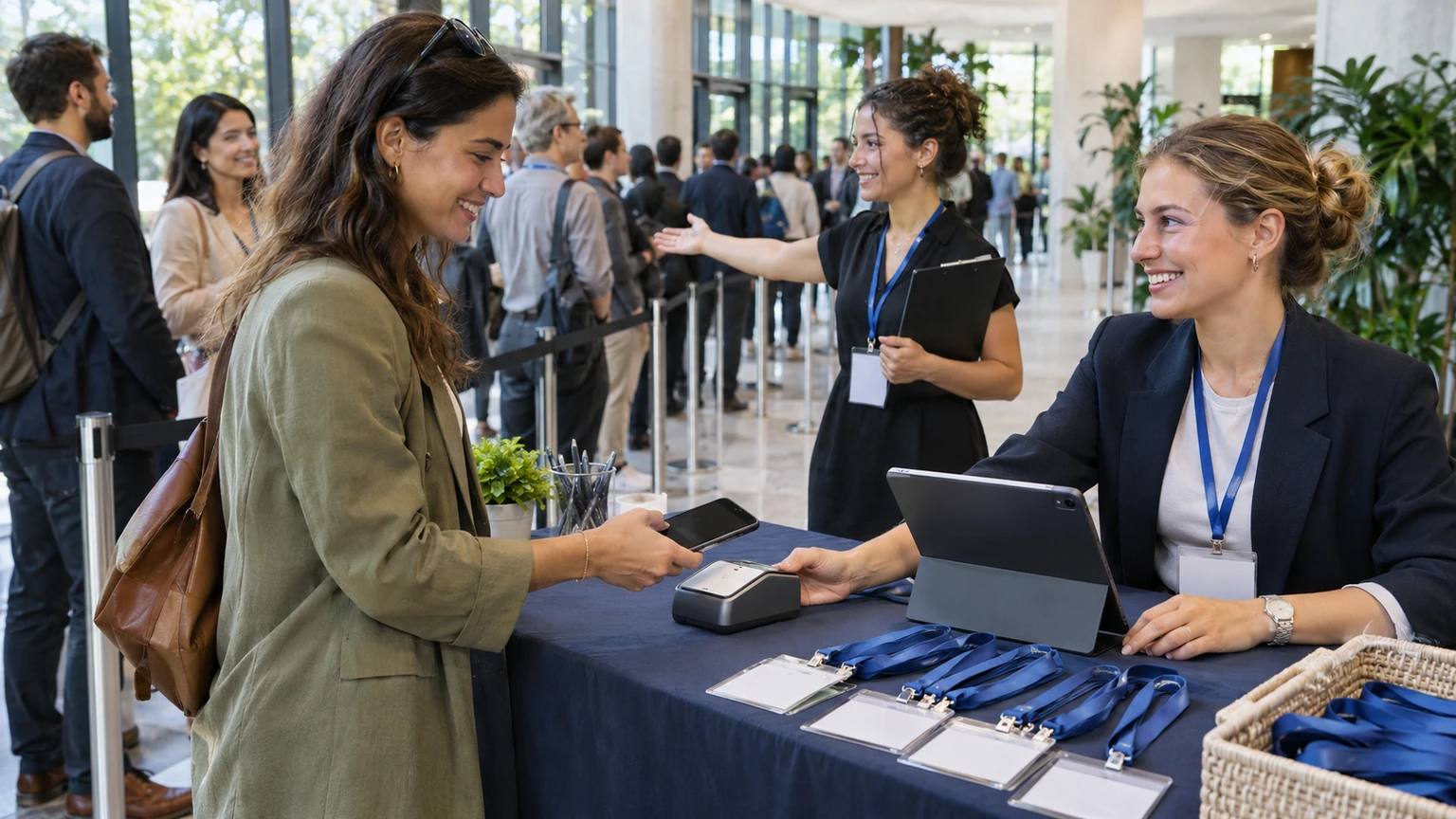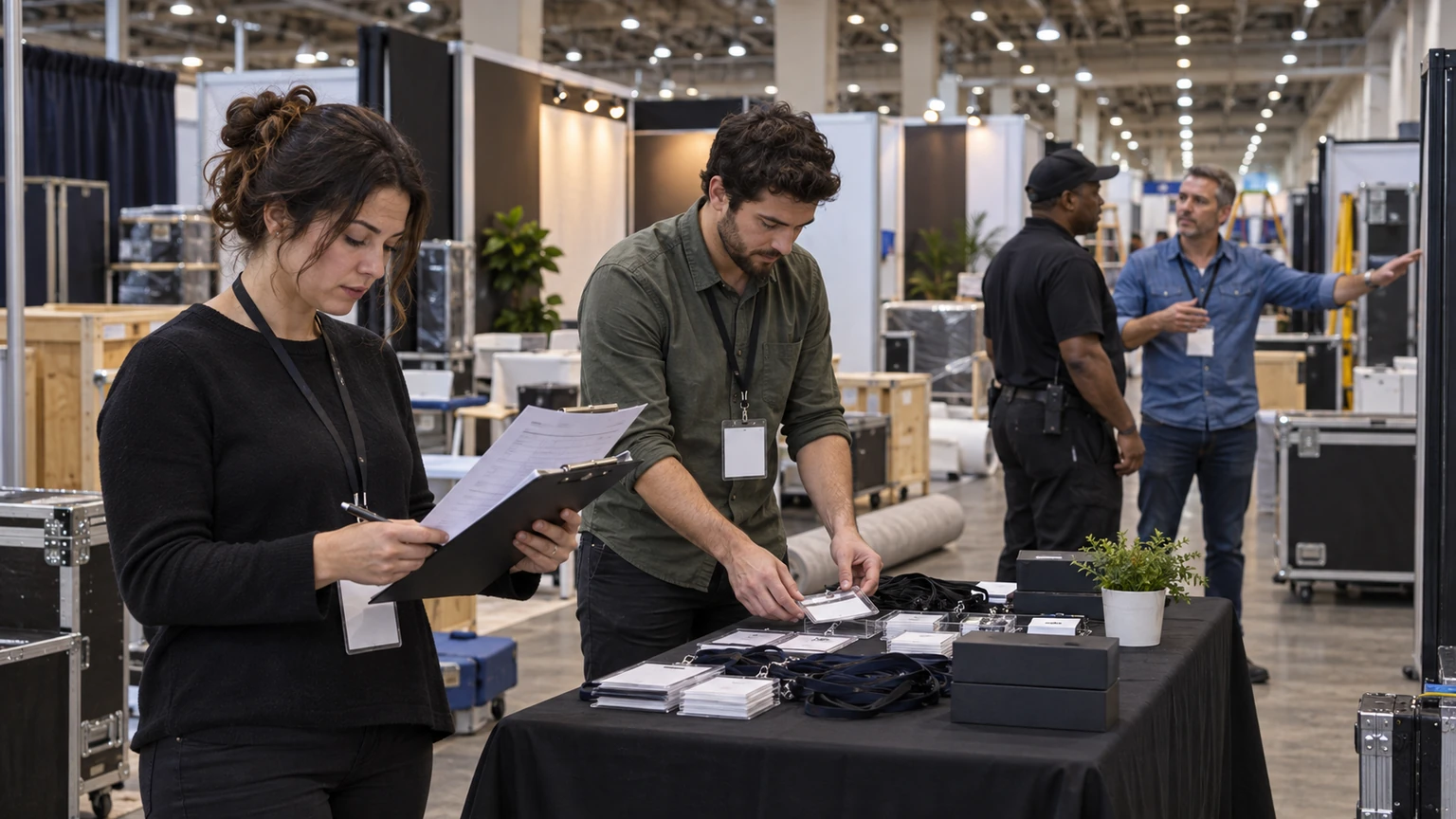
A public conversation around exhibiting smarter is a useful prompt for exhibitors and organizers.
On its own, that signal does not give us a complete operating model for every booth, budget, audience, or event format. But it does point to something that still gets missed in trade shows: many teams invest heavily in presence, then under-plan the operational details that determine whether the event actually performs.
For exhibitors, the basics still matter most. Clear goals, a usable booth workflow, trained staff, fast lead capture, and disciplined follow-up usually have more impact than novelty on its own.
Strong exhibiting is rarely one brilliant tactic. It is usually the result of many small operational choices done well.
Why this matters
Trade shows are expensive. Space, build, travel, shipping, staffing, sponsorship, and time away from normal work add up quickly.
That is why weak execution hurts twice: once in direct cost, and again in lost opportunity.
Common problems look familiar:
- the booth looks good but gives visitors no clear reason to stop
- staff are present but not aligned on what success looks like
- good conversations are not captured cleanly
- demos run long and create bottlenecks
- team energy drops after the first few hours
- follow-up arrives too late, or not at all
None of these issues are unusual. All of them are fixable with a more practical playbook.
What the public signal actually tells us
From the material available here, the confirmed signal is limited but useful: there is active interest in practical exhibiting guidance, including the idea of exhibiting smarter and treating trade show performance as something that can be improved through better planning and execution.
That is enough to support a grounded discussion about how exhibitors should prepare and operate.
What it does not confirm on its own is a single best booth strategy, a universal design template, or one lead process that fits every event.
That distinction matters.
A trade show playbook should be built around the realities of the event, not copied as a fixed formula.
Start with the job of the booth
Many booths try to do too much at once. Brand awareness, product education, meetings, lead generation, demos, customer hospitality, recruitment, partner networking, media visibility, all in one footprint.
That usually creates confusion for both visitors and staff.
Before the event, define the primary job of the booth:
- generate qualified leads
- book post-show sales meetings
- launch a product
- support distributors or partners
- meet existing customers
- run scheduled demos
- raise category awareness
You can support secondary goals, but the team should know which outcome matters most. That decision affects layout, staffing, messaging, and how success is measured.
Build your booth around visitor flow
Exhibitors often plan from the inside out. They think about what they want to show, not how a visitor will move, stop, ask, wait, and exit.
A better approach is to design around booth flow.
What to check
- is the value proposition visible within a few seconds
- can people tell where to stand without blocking the aisle
- is there a clear place for quick conversations
- is there enough separation between demos and private discussions
- can staff greet visitors without creating pressure
- does the setup avoid crowding around one screen or one person
If the booth gets busy, poor flow turns interest into friction very quickly.
For organizers, this matters too. Better booth flow improves aisle movement, reduces congestion, and creates a better floor experience overall.
Give staff a simple operating script
Even experienced booth teams need structure. Without it, staff improvise too much, conversations vary wildly, and lead quality becomes inconsistent.
A practical staff script should cover:
- how to open a conversation naturally
- how to qualify interest quickly
- when to offer a demo
- when to route someone to a specialist
- what information must be captured
- how to close the conversation with a clear next step
This does not mean sounding robotic. It means reducing avoidable inconsistency.
Short pre-show training helps. So does a daily team huddle before doors open.
Qualify faster, not harder
One of the biggest trade show mistakes is treating every booth interaction as equal.
They are not.
Some visitors are buyers. Some are researchers. Some are partners. Some are competitors. Some are simply passing through.
That is why the qualification model should be simple enough for staff to use in real time.
A workable lead triage model
- Priority A: active opportunity, clear fit, defined next step
- Priority B: relevant contact, interest confirmed, follow-up needed
- Priority C: low urgency or broad interest, nurture later
- Non-lead: media, supplier, student, competitor, or general visitor
If the team cannot sort conversations quickly, post-show follow-up becomes a mess.
Do not let demos take over the booth
Live demos can work well, but they often consume too much staff time and floor space.
Practical questions to ask before the event:
- how long is the standard demo
- can it be shortened for aisle traffic
- who owns the demo schedule
- what happens when multiple groups arrive at once
- what backup exists if equipment fails or connectivity is weak
- what call to action follows the demo
If the demo is the main attraction, it needs an operating rhythm. Otherwise, your best staff get trapped in long sessions while other visitors drift away.
Make lead capture operationally reliable
Good conversations have little value if the information is incomplete, delayed, or impossible to interpret later.
At minimum, every captured lead should include:
- name and company
- role or buying relevance
- product or topic of interest
- urgency or timeline
- owner for follow-up
- agreed next action
Free-text notes alone are rarely enough, especially after a long day on the floor.
Use a consistent structure. If your team uses badges, apps, or manual forms, the principle is the same: capture enough detail to make follow-up easy and accurate.
Plan staffing like an operations lead
Booth staffing is often underplanned. Teams focus on who is attending, not how coverage will actually work across the day.
That creates predictable gaps:
- everyone disappears at lunch
- senior team members are tied up in side meetings
- no one owns opening or closing routines
- specialists are unavailable when needed
- energy drops late in the afternoon
A more practical staffing plan should define:
- core coverage by time block
- demo owners
- break rotation
- meeting coverage
- who handles VIP or partner visits
- who checks lead quality during the day
The best booth teams do not only show up. They operate in shifts with clear roles.
Prepare for the quiet hours and the busy ones
Exhibitors often prepare for ideal traffic, not variable traffic.
You need a plan for both extremes.
When traffic is light
- assign proactive outreach at the booth edge
- use shorter talking points
- review lead notes and tidy handoffs
- reset the space
- brief staff on patterns you are noticing
When traffic is heavy
- switch to quick qualification
- protect specialist time
- route visitors clearly
- avoid long unscheduled demos
- prioritize accurate capture over deep discussion
This kind of operational flexibility is often the difference between a booth that looks busy and a booth that performs well.
Organizers can help exhibitors perform better
This is not only an exhibitor issue. Show organizers influence booth outcomes through floor design, exhibitor communication, service rules, move-in clarity, and on-site support.
Useful organizer actions include:
- clear exhibitor briefings before the event
- accurate information on move-in, access, and deadlines
- realistic guidance on traffic patterns and audience profile
- clean support escalation on site
- better education for first-time exhibitors
When exhibitors are better prepared, the event floor usually works better for everyone.
Follow-up is part of the show, not an afterthought
Many teams treat follow-up as post-event admin. That is too late.
Follow-up should be planned before the booth opens.
Set the basics in advance:
- who receives leads each day
- how quickly A and B leads are contacted
- which messages are standardized
- which leads require personal outreach
- how sales or account teams receive context
- how no-response leads are recycled
If there is no clear post-show workflow, the event loses momentum within days.
A compact exhibitor playbook
For teams that want a simpler working model, focus on these seven points:
- define the primary job of the booth
- design around visitor flow, not only visual impact
- train staff on a shared conversation and qualification model
- keep demos short and manageable
- capture leads in a structured way
- staff by role and time block, not just by attendance list
- commit to fast, clear follow-up
That may sound basic. In practice, it is where many booths win or lose value.
Stay evidence-aware
The public signal behind this topic supports a practical discussion about smarter exhibiting. It does not prove that one author, one method, or one booth style fits every event environment.
Exhibitors should adapt their playbook to show size, audience intent, product complexity, booth footprint, and sales cycle length.
The point is not to copy a script exactly. It is to operate with more intent.
What this means for event teams
For exhibitors, the main lesson is straightforward: the strongest booths are usually managed like live operational systems, not temporary marketing displays.
For organizers, there is value in helping exhibitors get the basics right because booth performance shapes the quality of the event floor as a whole.
Trade show success is rarely accidental. It is planned, staffed, measured, and followed through.