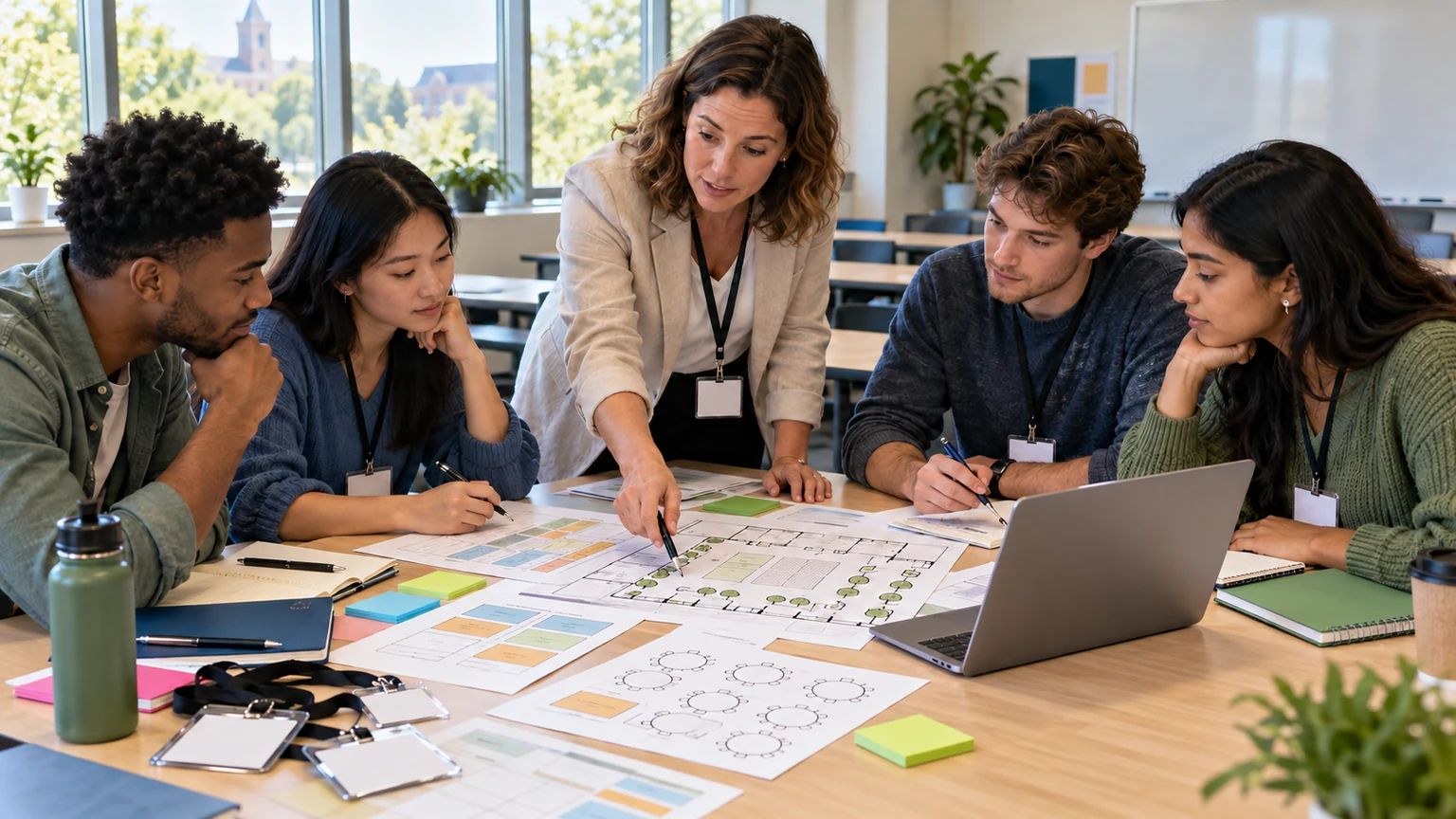
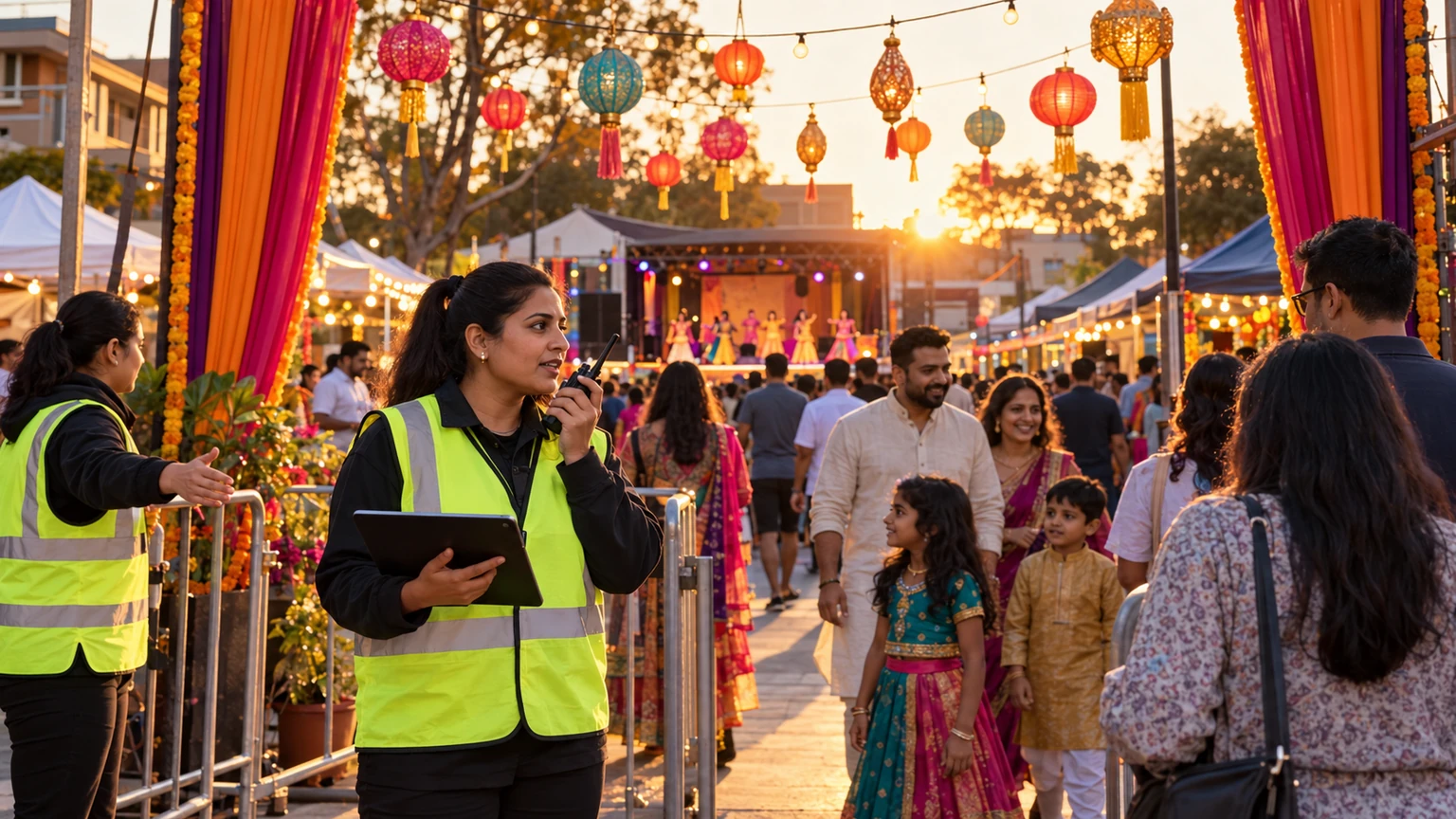
Public reporting around Harris Park Diwali 2026 in NSW on 7 November 2026 is a useful prompt for community event organizers.
Festivals like Diwali bring energy, scale, and strong local participation. They also create a familiar operational challenge: how to make the event feel welcoming and culturally vibrant while keeping movement, communication, and on-site decisions manageable.
That is where a tech-enabled attendee experience can help, if it is tied to real event operations rather than added as a layer for its own sake.
At a community festival, good event technology should reduce friction for attendees and pressure for staff at the same time.
Why this matters
Local cultural events often serve mixed audiences. Some attendees arrive with a clear plan. Others come to browse, meet friends, watch performances, eat, and explore.
That creates several moving parts for organizers:
- arrival peaks at similar times
- dense foot traffic near food and stage areas
- families and older attendees needing clear wayfinding
- schedule changes that need fast communication
- lost-and-found, welfare, or safety issues requiring quick response
- high demand for a smooth experience without making the event feel over-controlled
For festival teams, attendee experience is not separate from operations. It is a direct result of how information, access, staffing, and movement are handled on the day.
What the public signal actually tells us
From the source material provided here, the clearest confirmed point is limited but useful: Harris Park Diwali 2026 is associated with NSW and a date of 7 November 2026.
That is enough to support a practical discussion about how organizers of a large local cultural festival can think about attendee experience and operations.
What it does not confirm on its own is the exact program, attendance size, site layout, delivery model, technology stack, or operational risks for that event.
That distinction matters.
A public event listing is a planning signal, not a full operating brief.
Start with attendee journeys, not tools
A common mistake is to begin with the technology itself. A better approach is to map the attendee journey first, then decide where digital support is genuinely useful.
For a community festival, the key stages are usually simple:
- before arrival
- arrival and entry
- movement between zones
- participation in performances, food, and activities
- real-time updates during the event
- departure and post-event follow-up
Once those stages are clear, organizers can identify where friction is most likely to appear.
Where event technology can help most
1. Before arrival
Pre-event communication is often the easiest place to improve the attendee experience.
People usually want a small set of practical answers before they travel:
- when to come
- how to get there
- where entrances are
- what the program looks like
- whether there are family-friendly areas or accessibility support
- what to expect if the event gets crowded
If organizers can deliver this information clearly and early, they reduce confusion on site and improve arrival flow.
Useful operational steps include:
- publishing a simple event schedule
- sharing transport and parking advice early
- highlighting peak times so arrivals can spread out
- making maps easy to access on mobile
- sending reminders close to event day with only the most important details
2. Arrival and entry
At busy festivals, first impressions are operational. If entry feels unclear or congested, the event can feel difficult before attendees even reach the main experience.
Organizers should review:
- whether entry points are clearly named and signposted
- whether staff have a simple way to direct people quickly
- whether information can be updated in real time if one area becomes too busy
- whether queue build-up can be spotted early rather than after complaints begin
Even when entry is open and informal, arrival still needs structure. Technology is most helpful here when it improves visibility for staff and clarity for attendees.
3. Program and stage communication
Festival schedules rarely stay perfectly fixed. Performance timings can slip. Crowds can make some areas harder to access. Weather or local conditions can force small changes.
That means communication needs to be fast, direct, and easy to trust.
Organizers should plan for:
- one clear source of schedule information
- quick updates when timings change
- simple messaging around headline performances or cultural moments
- consistent wording across staff, signage, and digital channels
If attendees can tell what is happening now, what is happening next, and where they need to go, they are more likely to stay engaged and less likely to bunch up around uncertain areas.
4. Crowd flow between zones
Community festivals often concentrate pressure in a few predictable places: food streets, stage fronts, family attractions, and photo-worthy cultural installations.
Organizers do not need a complex system to improve flow. They need timely visibility and a response plan.
Practical tactics include:
- watching for repeat pinch points during peak windows
- guiding people toward secondary routes or quieter areas
- using announcements carefully when one zone becomes too dense
- aligning volunteers, stewards, and operations staff around the same live information
The goal is not to control every movement. It is to stop avoidable congestion from damaging the overall experience.
Do not separate engagement from safety
For local festivals, attendee engagement is often discussed as entertainment, culture, and participation. That is right, but engagement also has an operational side.
People who can find what they need, understand where to go, and receive timely updates usually behave more confidently on site. That supports both experience and safety.
In practice, this means the same communication channels used for excitement and discovery should also be ready for service messages such as:
- busy area alerts
- schedule changes
- weather-related updates
- meeting point instructions
- lost child or welfare guidance through staff channels
When communication systems are fragmented, small issues become harder to manage.
What organizers should pressure-test before festival day
1. Information clarity
Can a first-time attendee quickly understand the essentials without asking for help?
2. Mobile usefulness
Is key information readable and accessible on a phone while someone is walking or standing in a crowd?
3. Staffing alignment
Will frontline staff, volunteers, and supervisors all work from the same version of the schedule, site map, and escalation plan?
4. Backup processes
If connectivity, weather, or crowd conditions disrupt the original plan, can the event still communicate clearly through alternative channels?
5. Cultural fit
Does the event feel human and welcoming, or does the operational layer feel too rigid for the community atmosphere the festival is trying to create?
A practical operating model for community festivals
For many organizers, a simple model works best.
- Before the event: focus on clear attendee information, access guidance, and schedule visibility
- During arrivals: monitor entry conditions and direct people early before queues build
- During peak hours: watch high-density zones closely and communicate small adjustments quickly
- During programming: keep updates consistent across staff and attendee-facing channels
- After the event: review where confusion, congestion, or repeat questions appeared most often
This kind of operating rhythm is often more useful than adding too many disconnected tools.
Stay evidence-aware
It is tempting to assume that every large local festival needs a sophisticated digital layer. That is not always true.
The right level of event technology depends on the event footprint, crowd profile, staffing model, local infrastructure, and the actual pain points the team is trying to solve.
For Harris Park Diwali 2026, the public signal supports practical planning discussion. It does not confirm which tools will be used, how the event will be structured, or what operational priorities the organizers will set.
That means event teams should treat this as a useful scenario for planning, not as a statement about a specific delivery setup.
What this means for event teams
Community festivals succeed when the attendee experience feels easy, lively, and well held together.
For organizers, the strongest use of event technology is usually not flashy. It is practical. It helps people arrive with confidence, move with less friction, stay informed, and enjoy the event without unnecessary stress.
If teams planning local festivals take one lesson from this, it should be simple: start with real attendee and operations pressure points, then apply technology where it makes the event easier to run and easier to attend.