Engineering events are rarely improved by adding more sessions without a clearer structure.
For organisers of industrial conferences, society events, and manufacturing-focused programmes, the real challenge is usually curation: deciding how to group topics, define track audiences, and make the agenda easier to navigate for delegates, speakers, exhibitors, and sponsors.
The source signal behind this topic is narrow but useful: there is visible interest around engineering conference programming tied to 3D printing and smart manufacturing. That is enough to discuss how event teams can build better content tracks without pretending one headline conference defines the whole market.
A strong content track is not just a theme. It is an operational tool that helps the right people find the right sessions with less friction.
Why this matters for event operations
Track design affects much more than the agenda page.
When content tracks are too broad, overlapping, or unclear, familiar problems appear:
- attendees struggle to choose where to spend time
- session rooms fill unevenly
- sponsors and exhibitors find it harder to align with relevant audiences
- marketing messages become generic
- speaker recruitment becomes less focused
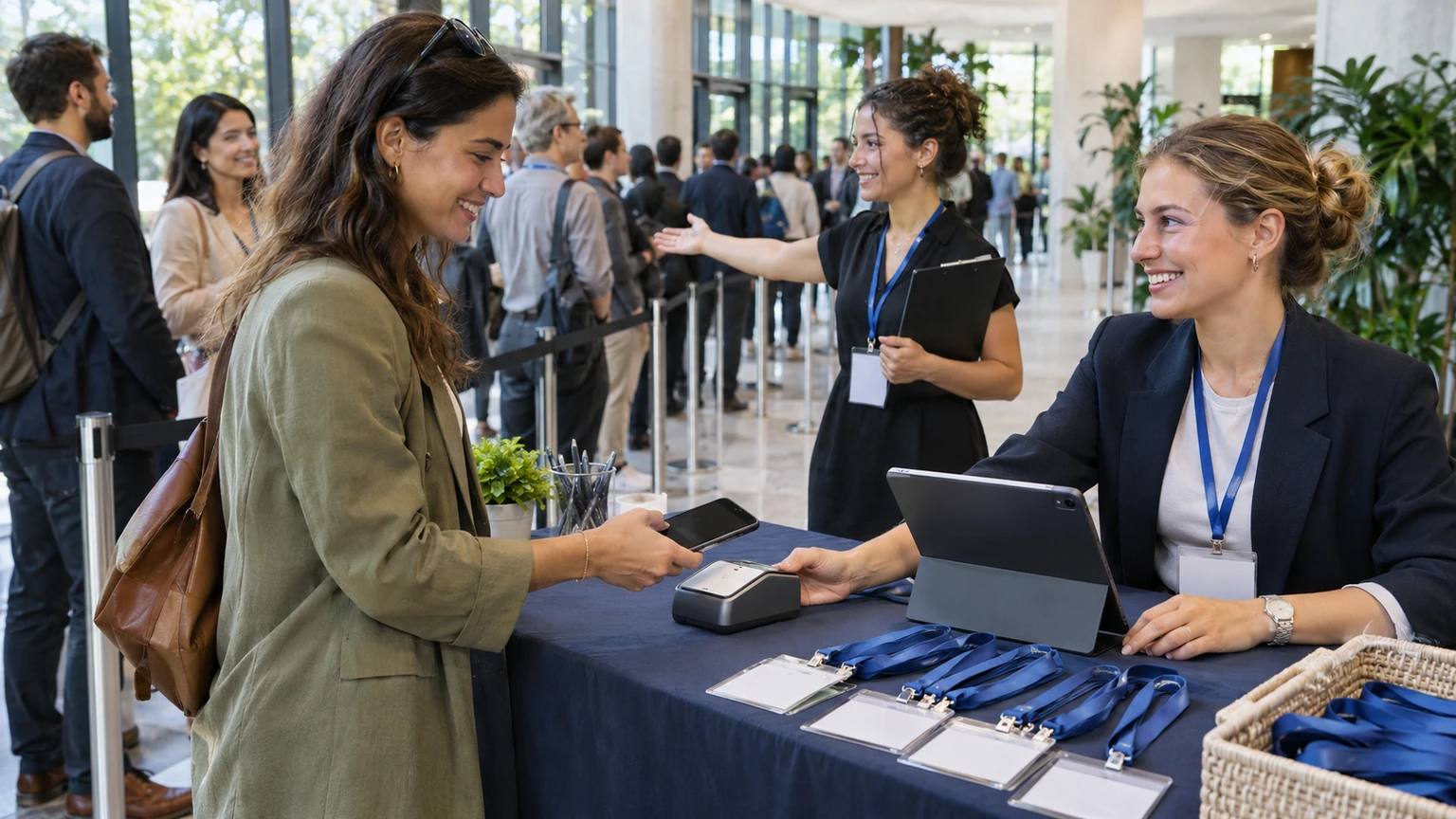
- on-site staff spend more time answering basic programme questions
By contrast, a clear track structure helps shape planning across content, rooming, signage, communication, and partner packaging.
What we can say, and what we cannot
Based on the source idea, it is reasonable to say that engineering-focused events connected to areas like 3D printing and smart manufacturing are relevant to conference organisers and event technology teams.
What this does not confirm on its own is the exact programme structure, speaker lineup, audience mix, or operating model of any specific 2026 event.
That distinction matters. Event teams should treat the public signal as evidence of topic relevance, not as a ready-made agenda template.
Topic demand is a useful starting point. Good track design still depends on your audience, your partners, and your delivery constraints.
Start with attendee jobs, not topic lists
Many organisers begin with a long list of possible subjects. That often creates tracks that look comprehensive but feel difficult to use.
A better starting point is to ask what different attendee groups are trying to achieve at the event.
At an engineering or industrial conference, those groups may include:
- technical specialists looking for depth
- engineering managers comparing applications and implementation models
- manufacturing leaders focused on process improvement
- research and academic participants seeking knowledge exchange
- exhibitors looking for commercially relevant visibility
- society members who want practical professional development
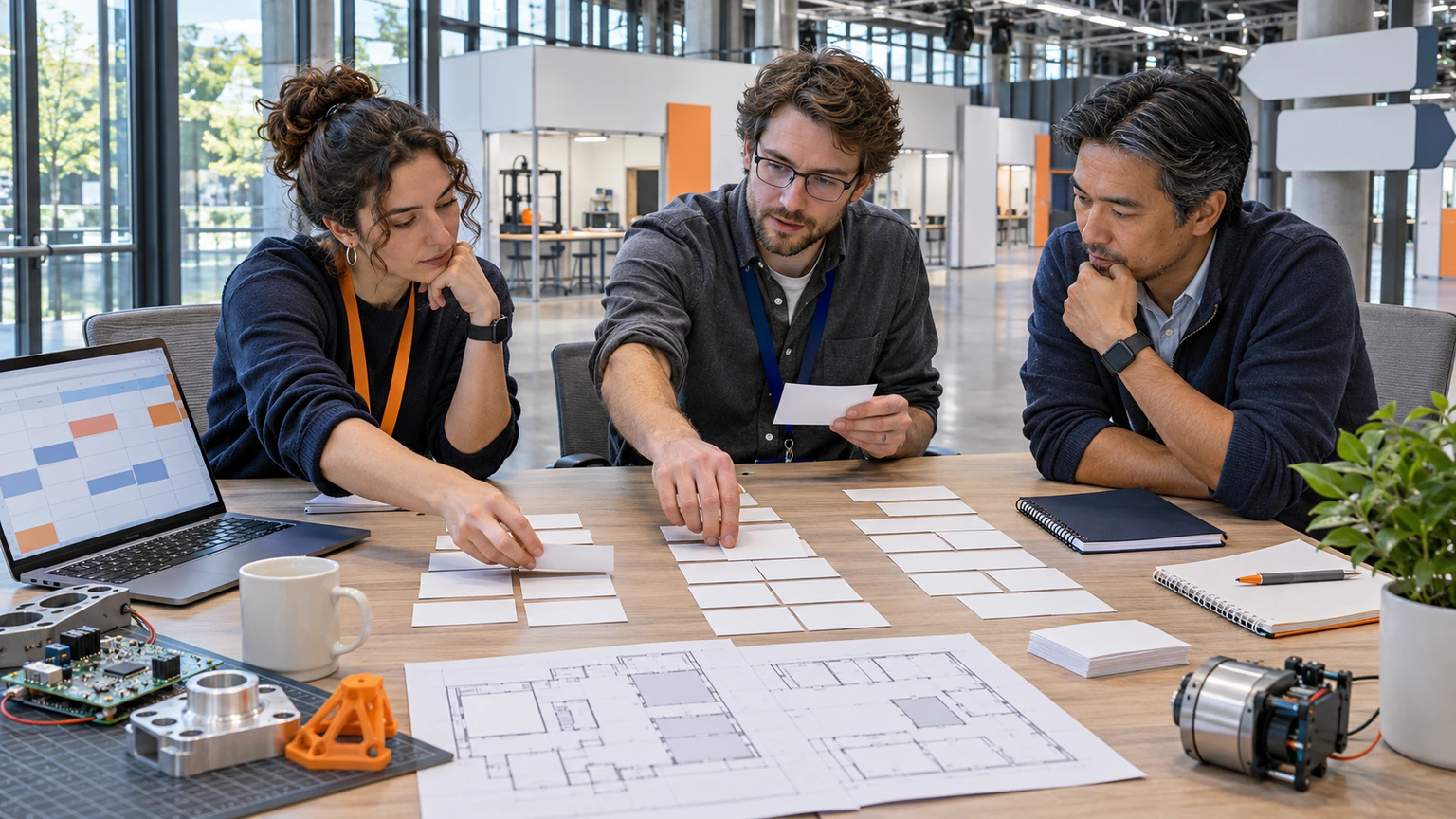
Once those jobs are visible, track design becomes easier. You are not only sorting topics. You are helping each group move through the event with purpose.
Build tracks around decision paths
For industrial events, the strongest tracks often reflect how organisations evaluate and apply technology in real life.
Instead of clustering everything under abstract labels, use tracks that match actual decision paths such as:
- technology fundamentals and research
- real-world applications and case studies
- production integration and operations
- quality, standards, and compliance
- commercial adoption and supply chain impact
This approach is especially useful for topics like 3D printing and smart manufacturing because attendees are rarely all at the same stage. Some want to understand the technology. Others want implementation detail. Others want proof of business value.
Keep track names practical
Track naming matters more than many teams expect.
If labels are vague, attendees cannot quickly tell which sessions fit their needs. If labels are too technical, broader delegates may skip relevant content because the wording feels too narrow.
Good track names are usually:
- specific enough to signal relevance
- short enough to work in schedules and signage
- clear enough for sponsors and exhibitors to understand
- stable enough to support pre-event marketing
For example, practical names usually work better than promotional ones. Clear labels such as Industrial 3D Printing Applications, Smart Manufacturing Operations, or Engineering Standards and Quality are easier to use operationally than broad branding phrases.
Separate beginner, intermediate, and advanced content where possible
One common failure in engineering agendas is mixing very different knowledge levels inside the same track without warning.
That creates frustration quickly. Newcomers may feel lost, while specialists may feel the programme is too introductory.
There are a few practical ways to avoid that:
- label sessions by level
- reserve one track for foundations and another for applied practice
- use workshop or masterclass formats for deeper technical content
- brief moderators to set expectations clearly at the start of each session
Even simple level markers can improve room planning and attendee satisfaction.
Do not separate content curation from room planning
Track strategy should not live only with the content team. It has direct operational consequences.
If one track is likely to attract broad cross-functional interest, it may need larger rooms, better overflow planning, or more transition time. If another track serves a narrower specialist audience, a smaller room may be appropriate, but the technical setup may need more attention.
For engineering events, rooming decisions often need to account for:
- expected audience size by technical topic
- AV needs for detailed presentations or demonstrations
- translation or multilingual support, if relevant
- extra time for panel turnover or Q&A
- traffic patterns between exhibition and conference zones
When track design and room planning are disconnected, avoidable congestion and uneven attendance usually follow.
Use exhibitors and partners carefully in track planning
Industrial conferences often rely on strong partner ecosystems. That can be an advantage if handled carefully.
Exhibitors and society partners can help organisers identify which topics are attracting investment, where attendee questions are changing, and which use cases deserve more attention. That said, partner input should inform the programme, not dominate it.
A practical approach is to use partners for validation in areas such as:
- which themes feel commercially relevant this year
- which technical topics need clearer explanation for mixed audiences
- which application areas are underrepresented
- where there is demand for case-study-led sessions
This helps keep tracks grounded in industry reality while protecting editorial balance.
A practical track model for engineering events
Not every event needs the same structure, but many engineering-focused conferences can benefit from a simple framework like this:
1. Core technology track
Use this for technical foundations, process understanding, research developments, and engineering methods.
2. Applications track
Use this for sector-specific use cases, implementation stories, and lessons from live projects.
3. Operations and manufacturing track
Use this for production workflow, integration, maintenance, scaling, and plant-level realities.
4. Standards and quality track
Use this for regulation, certification, testing, reliability, and risk management.
5. Strategy and market track
Use this for investment, supply chain shifts, workforce implications, and business adoption patterns.
This kind of structure gives the event a clearer operating backbone without making the programme too complicated.
Make the tracks visible before the event
Tracks only help if attendees can understand them early.
That means track structure should appear consistently across:
- the event website
- call for papers guidance
- sponsor and exhibitor packs
- registration messaging
- on-site signage and printed schedules
- staff briefing notes
Early visibility improves session selection, exhibitor positioning, and communication planning. It also reduces last-minute confusion when the agenda goes live.
Questions worth asking before you finalise the tracks
Before locking the programme structure, event teams should test a few practical questions:
- Can a first-time attendee understand the difference between each track quickly?
- Do the tracks reflect real audience roles, not just topic categories?
- Is there a sensible balance between technical depth and broader applicability?
- Will room sizes match likely audience demand?
- Can sponsors and partners see where they fit without forcing the content?
- Will the same topics appear repeatedly across different tracks without clear reason?
If the answer to several of these is no, the event may need fewer, clearer tracks rather than more.
Where teams should be careful
There are a few recurring risks in engineering conference curation.
- too many tracks for the real audience size
- overlap between technical and commercial sessions
- unclear labels that require explanation
- speaker selection that follows prestige rather than fit
- tracks designed around internal politics instead of attendee usefulness
The simplest test is practical: if delegates cannot easily decide where to go next, the structure is probably working against them.
What good looks like
A well-curated engineering programme feels organised before the event even starts.
Attendees can see which sessions are for them. Speakers understand the context of their contribution. Exhibitors can connect their presence to the right conversations. Staff can support delegate flow more confidently. Marketing can describe the event in specific terms instead of broad claims.
That kind of clarity is especially valuable in industrial sectors, where audience time is limited and expectations for relevance are high.
What this means for event teams
If you are planning an engineering-focused event around subjects like 3D printing, smart manufacturing, or wider industrial innovation, treat content tracks as part of event operations, not just editorial design.
Start with the audience's real jobs. Build tracks around decision paths. Keep naming practical. Link the programme to rooming, communication, and partner planning. Then keep the structure clear from the first announcement to the live event.
That is usually what turns a busy agenda into a usable one.