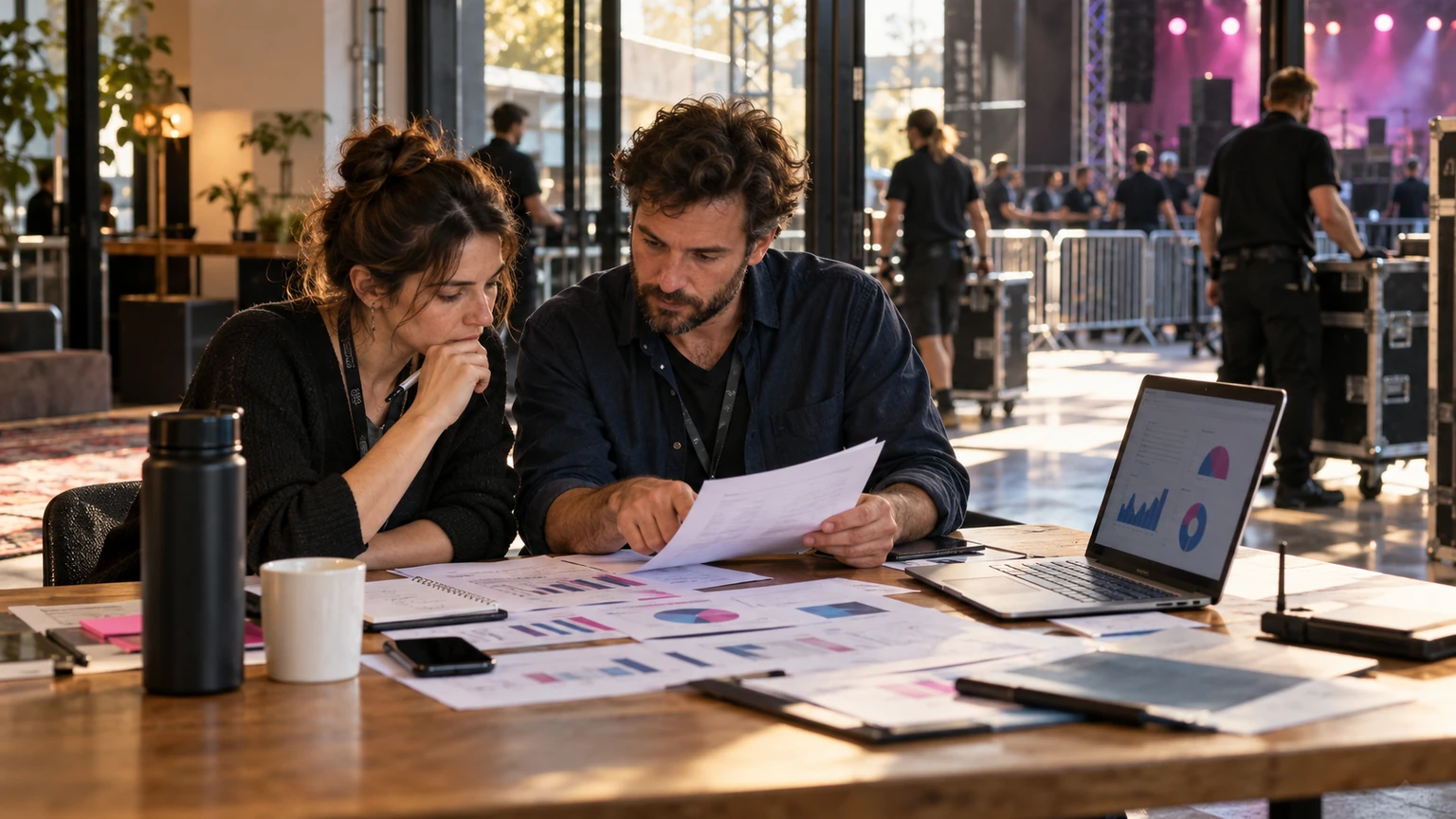
Most event teams do not need a robot in the lobby tomorrow.
They do need to pay attention to the direction of travel.
One emerging idea in AI research is that robotics may improve faster if models can learn from large volumes of game-like data before dealing with the messiness of the physical world. That is still a forward-looking concept, not an event operations product roadmap. But it raises a useful question for organizers: if physical AI gets more capable, where would it actually help on site?
The important event question is not, “When do we add robots?” It is, “Which repetitive physical workflows are expensive, error-prone, and structured enough to benefit if robotics improves?”
For expo tech leads and operations teams, this is worth thinking about now, because the best use cases will not start with spectacle. They will start with bottlenecks.
Why gaming data is part of the conversation
The broader argument is simple: games generate a huge amount of structured interaction data. Agents can practice navigation, timing, goal completion, coordination, and adaptation at scale.
That does not mean a model that performs well in a game can suddenly run a conference floor.
Real venues have bad lighting, shifting furniture, badge lanyards, spill risks, crowd behavior, freight delays, and staff exceptions. Physical environments are harsher than digital ones.
Still, if game-trained systems become better at planning and reacting, robotics could become more useful for narrowly defined operational jobs.
That matters for events because events have many such jobs.
Where event operations are most likely to care first
If robotics improves through better training data, event teams should expect early relevance in constrained, repeatable tasks, not broad human replacement.
Examples might include:
- wayfinding support in controlled venue zones
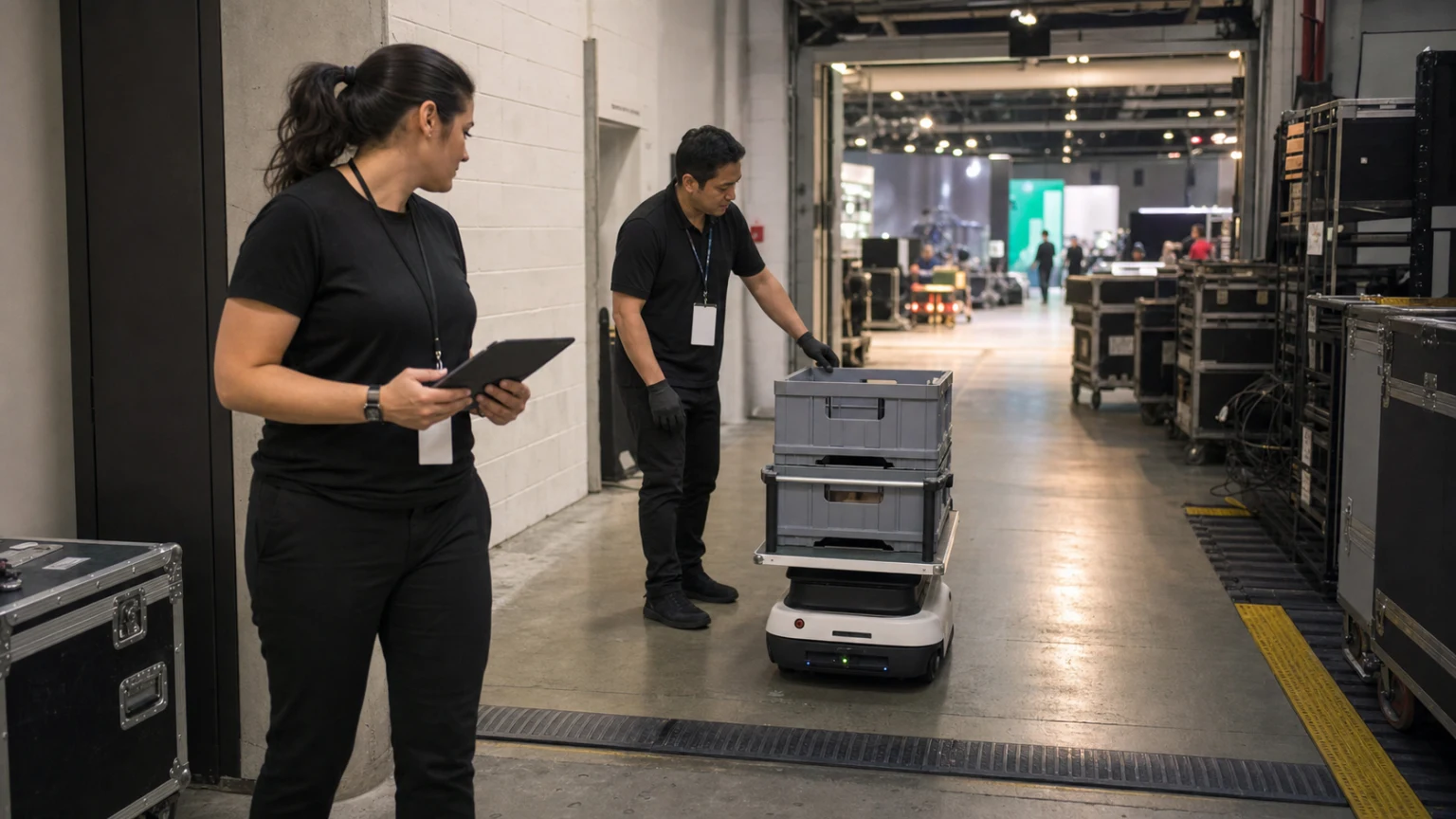
- moving supplies between back-of-house points
- repetitive setup checks in structured spaces
- queue monitoring and basic directional assistance
- stock or equipment runs during live operations
Notice what these jobs have in common: they are physical, repetitive, time-sensitive, and usually frustrating to staff when the floor gets busy.
They also sit close to existing event pain points.
Do not start with the wow factor
Events are especially vulnerable to buying technology for theater.
A robot greeting guests may look impressive. It may also create a crowd, confuse flow, need babysitting, and fail at exactly the wrong time.
That is not a robotics problem alone. It is a workflow design problem.
For event operations, the better starting point is usually less visible:
- where staff lose time walking
- where handoffs break down
- where service depends on one experienced person remembering everything
- where a simple delay creates a chain reaction across sessions, exhibitors, or entrances
If a physical task is already inconsistent, under-documented, or constantly changed by exception, automation will struggle there too.
Good candidate workflows inside an event
Not every on-site task is suitable for physical AI, even if the technology improves quickly.
A practical review should separate tasks into three groups.
1. Good near-term candidates
- predictable routes between fixed points
- simple transport of lightweight materials
- basic patrol or status checks in well-defined areas
- routine support tasks with limited decision-making
2. Tasks that still need strong human oversight
- front-desk problem solving
- VIP handling
- access disputes
- speaker support
- sponsor relationship moments
3. Poor candidates for now
- high-emotion attendee interactions
- rapid exception handling in dense crowds
- anything involving unclear safety responsibility
- jobs where success depends on social judgment more than repetition
This kind of sorting helps teams stay realistic.
What expo and venue teams should evaluate now
You do not need to predict the robotics market perfectly. You do need to understand your operation well enough to judge where physical automation could fit later.
A useful internal review can start with questions like:
- Which on-site tasks consume the most staff walking time?
- Where do delays cause the biggest downstream disruption?
- Which jobs are repetitive enough to document step by step?
- Which spaces are structured enough for consistent movement?
- Where would failure be annoying, and where would it be unacceptable?
- What safety, insurance, or venue rules would apply?
That exercise is valuable even if you never deploy robotics. It forces clearer operational thinking.
The real blocker may be environment, not intelligence
Even if foundation models for robotics improve, event environments remain difficult.
Consider what changes during a live event:
- furniture moves
- queues form unpredictably
- signage changes
- deliveries arrive late
- temporary storage appears in corridors
- people stop suddenly to talk, film, or scan badges
This is why event use cases will likely depend on constrained zones and narrow responsibilities first.
A back-of-house service corridor is a very different challenge from a packed expo entrance.
How to think about staff automation without staff anxiety
When people hear automation, they often hear replacement.
For event operations, the more practical framing is load reduction.
Most teams are not trying to remove the need for human staff. They are trying to reduce avoidable friction, especially during setup, turnover, and peak arrival windows.
That could mean future tools help staff spend less time on movement and repetition, and more time on judgment, exceptions, hospitality, and recovery when something changes.
That is usually the right split for live events.
What to watch over the next year
If you want to stay informed without getting carried away, watch for signs in a few areas:
- better performance in real-world navigation, not just demos
- evidence of reliability in changing environments
- clear safety boundaries and operational controls
- narrow deployments in logistics or facilities work
- costs that make sense outside marketing stunts
The key word is evidence.
There is a big difference between an impressive video and a system that can survive a long event day with staff depending on it.
What event teams should do now
You do not need a robotics strategy deck. You need a shortlist of painful physical workflows.
Start here:
- Map the most repetitive on-site tasks.
- Mark which ones happen in structured spaces.
- Identify where errors are tolerable versus unacceptable.
- Document the current human workflow clearly.
- Watch emerging physical AI through that lens, not through hype.
If robotics really does have a breakthrough moment powered partly by game-data training, event teams that understand their own operations will be in a better position to judge it calmly.
And that is the real advantage: not being first to adopt, but being clear about what is actually worth automating.