Fan conventions are doing something B2B events should pay attention to: they are turning attendance into participation, and participation into community memory.
That does not mean every trade show should start handing out capes. It does mean the best fan-cons are good at a few things many B2B events still treat as side notes: programming that feels curated, experiences that are easy to join, merch that people actually want, and a clear sense of belonging.
The lesson is not “be more fandom.” The lesson is: make the event feel like a place people choose, not just a calendar obligation.
1) Community programming gives people a reason to stay
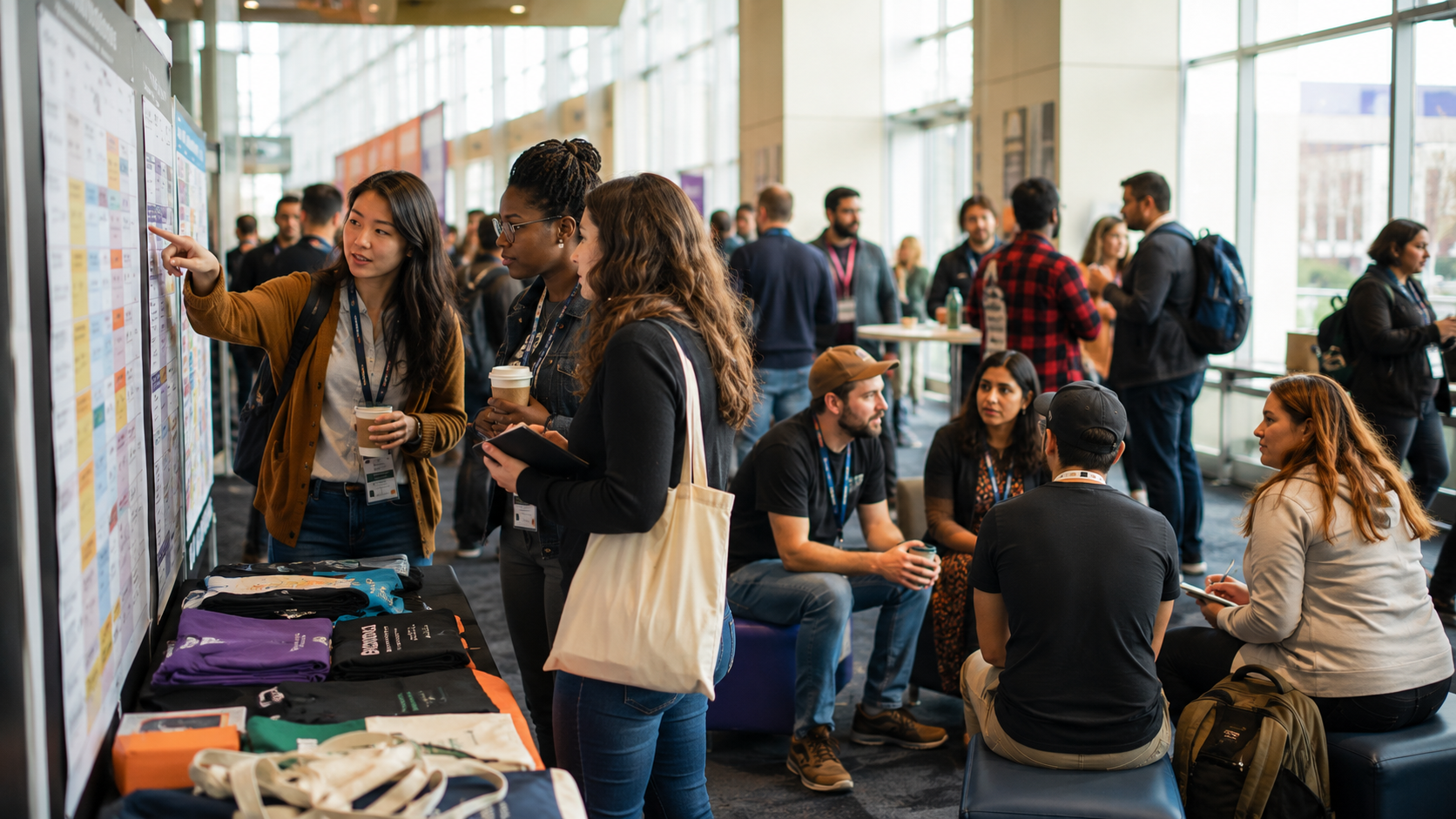
Fan-cons rarely rely on one big keynote to do all the work. They build around panels, meetups, creator moments, themed activities, and sessions that give different types of attendees a reason to keep moving through the event.
B2B organizers can borrow that structure by thinking beyond the main stage. A practical program usually needs a mix of:
- decision-making sessions for people who came to solve a problem
- smaller community moments for people who want peers, not just presentations
- clear session discovery so people know what is happening, where, and when
- repeatable formats that make the schedule easier to understand
That is where agenda management matters. If the program is scattered across PDFs, emails, and last-minute updates, the community part gets lost fast.
2) Creator-style participation changes the energy
One reason fan-cons feel alive is that attendees are not just watching. They are contributing, meeting creators, joining challenges, and finding their people.
B2B events do not need a celebrity economy to learn from that. They do need to create more visible ways for people to take part. That can look like:
- speaker-led sessions tied to a clear agenda
- participant profiles and networking that help people find each other
- team-based participation when an event is using teams
- missions, quizzes, rewards, or leaderboard mechanics when those modules make sense
When participation is obvious, people spend less time wondering what to do and more time doing it.
3) Merch works when it means something
Fan-con merch usually works because it carries identity. It is not just a product on a table. It is a marker of belonging, a souvenir, or a signal that says, “I was here.”
B2B events can apply the same logic to sponsor activations, rewards stores, and branded moments. The useful question is not, “What can we sell?” It is, “What would attendees actually value enough to keep?”
That might include:
- reward items tied to participation
- event-branded experiences that feel worth completing
- clear sponsor directories that help people discover what matters
- simple redemption flows, if your event uses rewards or QR-based actions
If a giveaway does not connect to the event journey, it becomes clutter. If it connects to behavior, it becomes part of the experience.
Merch is at its best when it is earned, useful, or memorable. Preferably at least two of those.
4) Experiences need an operational spine
Fan-cons make a lot of “fun” look easy. It is not easy. It works because the basics are structured: people know how to join, where to go, and what the rules are.
For B2B organizers, the operational spine is what keeps the event from becoming a scavenger hunt. That means:
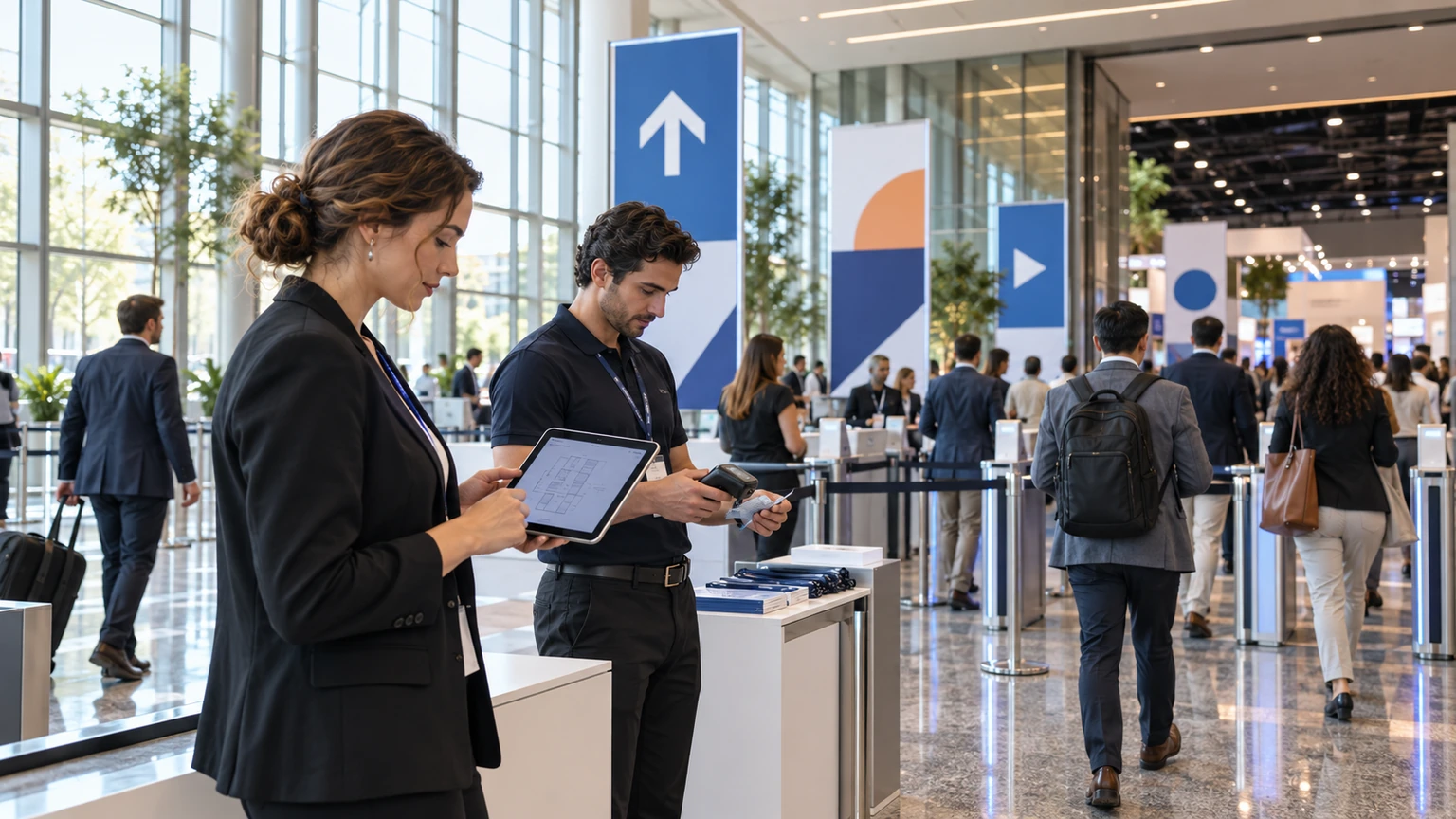
- registration and participant access that are clear from the start
- event-specific join flows, including join codes where relevant
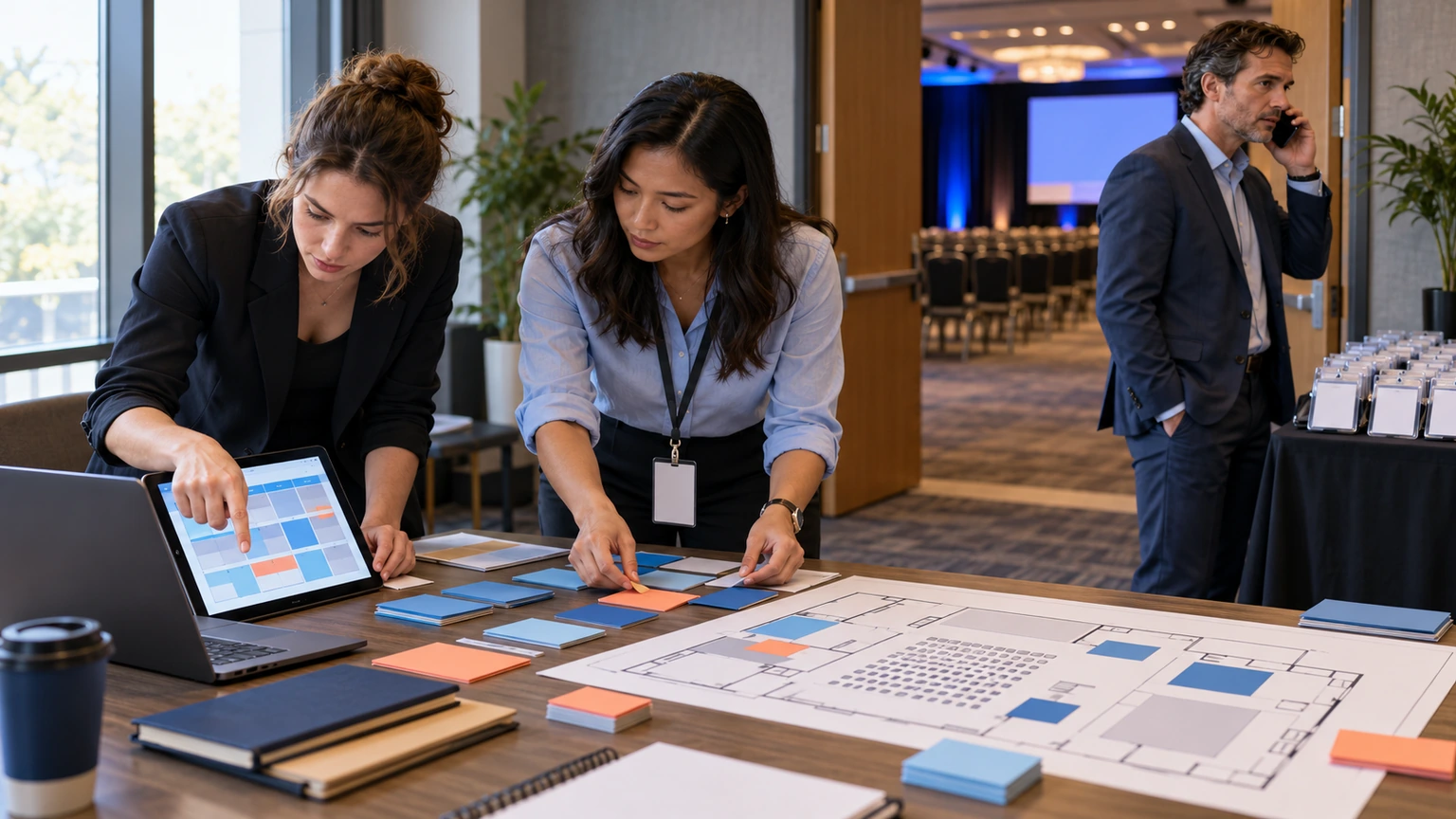
- agenda views that keep the schedule in one place
- check-in rules that match how the event is actually run
- participant communication that reflects what is enabled in the event
In Bewitt, those pieces live in the event workspace, so the same record can hold registration, agenda, check-in, feedback, and reporting. That matters when the event is built around experiences, not just sessions.
5) Community events need feedback while the event is still fresh
Fan-cons are good at creating a feeling. B2B events need to capture that feeling before it disappears into the post-event inbox pile.
That is why feedback should be part of the event flow, not a separate cleanup task. If you wait too long, the useful comments get vague and the specific ones get forgotten.
Practical feedback capture can include:
- session feedback tied to the agenda
- event-level feedback after the experience ends
- questions that help organizers see what people actually used
- reporting that makes the next planning cycle easier
The point is not to collect more forms. The point is to learn while the event is still warm.
What B2B organizers can steal, safely
You do not need fandom cosplay to learn from fan-cons. You need a stronger point of view on participation.
If you are designing a B2B event, ask:
- What makes someone feel like they belong here?
- What gives them a reason to move through the whole event?
- Where do they discover people, not just sessions?
- What is worth remembering after the badge comes off?
The answer is usually not more content. It is clearer programming, easier participation, and better event operations.
That is also where a practical event workspace helps. When registration, agenda, check-in, engagement, feedback, branding, and reporting stay tied to the same event record, organizers can spend less time stitching tools together and more time designing an event people want to come back to.