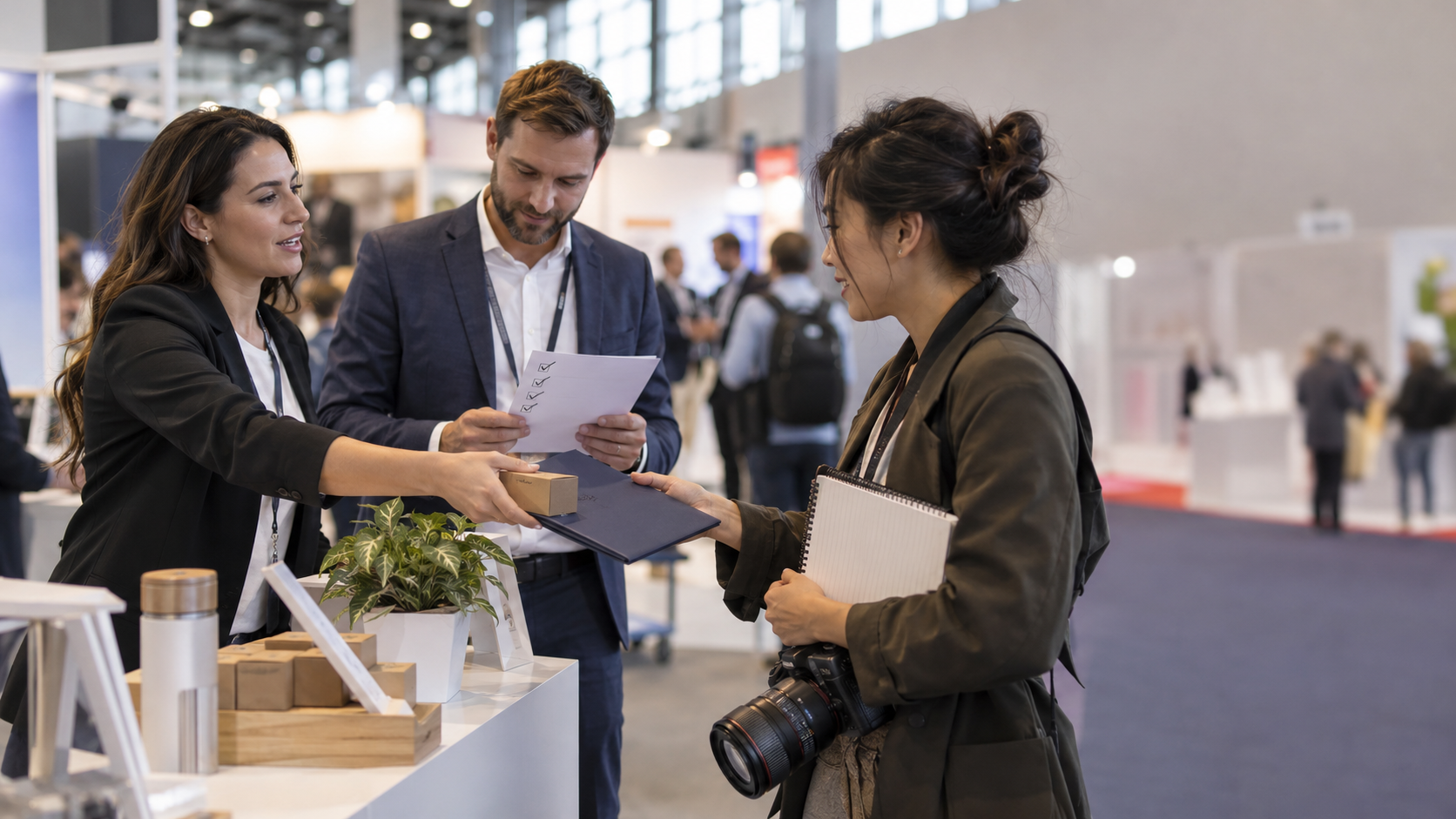
Most exhibitors do not need a full PR campaign to get more media attention at a show.
They usually need a clearer story, better timing, and fewer points of friction for journalists, editors, and content teams working on a deadline.
The public signal behind this topic is practical: industry coverage around the PRI Show points to exhibitor tools and tactics that can help increase media coverage.
That is a useful prompt for exhibitors and event teams because media visibility rarely comes from booth size alone. It comes from how easy a company makes it to understand what is new, relevant, and worth covering.
Media coverage is often a workflow problem before it is a publicity problem.
Why this matters for exhibitors
Trade-show teams invest heavily in stand design, staffing, shipping, travel, and lead generation.
Media attention can extend the value of that investment, but only if the exhibitor gives press contacts something usable.
In practice, that means helping media answer a few basic questions quickly:
- What is actually new here?
- Why does it matter now?
- Who should I talk to?
- Can I get the facts, quote, and images I need without chasing five people?
If those answers are unclear, even a strong product or announcement can get missed.
What we can say, and what we should not assume
Based on the source idea provided, the confirmed takeaway is limited but useful: exhibitors can use practical tools and operating habits to improve their chances of getting media coverage at a show such as PRI.
That supports a grounded, operational guide.
What it does not confirm on its own is:
- which specific outreach tools every exhibitor should use
- that any one tactic guarantees coverage
- that media attendance or editorial priorities will be the same at every event
- that organizers provide identical press support across all trade shows
That distinction matters. Good media presence is about improving the odds, not forcing an outcome.
The goal is not to manufacture coverage. It is to remove avoidable friction for the people who might cover you.
Low-effort ways exhibitors can improve media presence
1. Decide what the story is before the show opens
Many exhibitors say they want press, but cannot explain in one sentence what is new.
Before the event, write a short internal statement that answers:
- what you are announcing, launching, demonstrating, or highlighting
- who it matters to
- why it is timely for this event
This is not polished PR language. It is an operating tool for booth staff, marketing, and leadership so they all tell the same story.
2. Prepare a simple press-ready information pack
Do not make media contacts assemble your story from scattered PDFs, old web pages, and ad copy.
Create one clean package that includes:
- company name and booth number
- the main announcement or demo focus
- two or three factual highlights
- a named spokesperson with contact details
- links to product pages or background information
- approved images or logos, if available
Keep it short. Journalists do not need every sales detail. They need enough to assess whether there is a story.
3. Make the booth staff media-aware
One common problem is that media arrives at the booth and gets treated like a general attendee, or worse, gets redirected three times.
Give booth staff a basic media handling brief:
- how to recognize a press inquiry
- who the media contact is
- who can give an interview
- what key points to mention consistently
- how to log the interaction for follow-up
This takes little effort and prevents lost opportunities.
4. Offer specific meeting windows
Reporters and editors often work to tight schedules at busy shows.
Instead of saying, drop by any time, offer a few specific windows for short briefings or demos. That makes planning easier on both sides.
If your team has a spokesperson on site for limited hours, be explicit about availability. Clear timing is more useful than vague openness.
5. Focus on what is new, not everything you sell
Media usually looks for change: a launch, partnership, milestone, trend angle, or market shift.
If your booth tries to present ten messages at once, none may stand out.
Choose one lead angle and support it well. Additional products can still be shown on site, but they should not dilute the main message.
6. Build one or two quote-ready lines in advance
Spokespeople often know the product deeply but answer in a way that is too technical, too long, or too broad for event coverage.
Prepare a few short, factual, plain-language lines the spokesperson can use naturally. For example:
- what problem the launch addresses
- what visitors are seeing at the booth
- why the timing of the announcement matters
This is not about scripting every answer. It is about making usable language easier to deliver under time pressure.
7. Give media something easy to photograph or understand quickly
Not every exhibitor has a dramatic product reveal, but most can still improve the visual and explanatory side of the booth.
Think operationally:
- is the featured product or demo obvious from the aisle
- is there clear signage for what is new
- can a visitor understand the main point in under 30 seconds
- is there a clean background or area for a quick interview
These details matter because media teams are often deciding fast where to stop.
A practical pre-show checklist for exhibitors
- Write a one-sentence event story
- Confirm the main spokesperson and backup contact
- Prepare a short press information pack
- List any launches, demos, or milestones worth noting
- Share the key message with booth staff
- Set available times for media conversations
- Check that booth signage reflects the main story
- Decide how press inquiries will be logged and followed up
What to send before the event
Exhibitors do not always need a formal press release to start useful outreach.
A short, targeted note can be enough if it is relevant and specific.
A simple structure:
- who you are
- what you are showing or announcing at the event
- why it may be relevant to that publication or audience
- when and where they can see it
- who to contact for a meeting or follow-up
Keep it brief. The job is to create interest, not send a full brochure by email.
What to do on site without adding much work
Keep a short media log
Use a shared note or simple spreadsheet to record:
- name and outlet
- what they asked about
- whether images, specs, or quotes were requested
- who on your team owns follow-up
This stops important requests from disappearing into personal inboxes or end-of-day confusion.
Brief the team each morning
Take five minutes before the hall opens to review:
- the lead message for the day
- scheduled press meetings
- any announcement timing
- who is available for interviews
That is a small discipline with a large effect on consistency.
Follow up the same day when possible
If someone requests images, specifications, or a quote, send it quickly. Event coverage moves fast, and delays can quietly remove you from consideration.
Speed matters because a useful response today is often better than a perfect response tomorrow.
A low-effort follow-up template
After a booth conversation, exhibitors can use a short note like this:
Good to meet you at [event name]. As discussed, here is the quick summary of what we are showing at booth [number], along with the spokesperson details and supporting materials. If helpful, we can arrange a short follow-up today or send any missing specs and images.
This works because it is direct, timely, and easy to act on.
Where exhibitors usually get this wrong
- They lead with broad brand language instead of one clear news angle
- They assume booth traffic automatically creates coverage
- They do not designate a media contact
- They bury useful facts inside long sales materials
- They respond too slowly to post-meeting requests
- They expect booth staff to improvise under pressure
None of these are unusual. All of them are fixable.
What this means for event teams
For organizers, this topic matters beyond individual exhibitor success.
When exhibitors are better prepared for media interactions, the event itself can benefit from stronger storytelling, clearer product news, and more usable press activity across the floor.
That creates a better environment for press, exhibitors, and the event brand.
For exhibitors, the operating lesson is simple: do the small things that make you easier to cover.
You do not need a large campaign to improve media presence. You need a timely story, a reachable contact, and a clean follow-up process.