“We need better engagement this year.”
It sounds like a marketing goal. In practice, it’s operational pressure: you’re trying to keep people present, participating, and leaving with something they can name.
And the usual reaction is understandable, but risky: add more stuff. More sessions, more activities, more “touchpoints.”
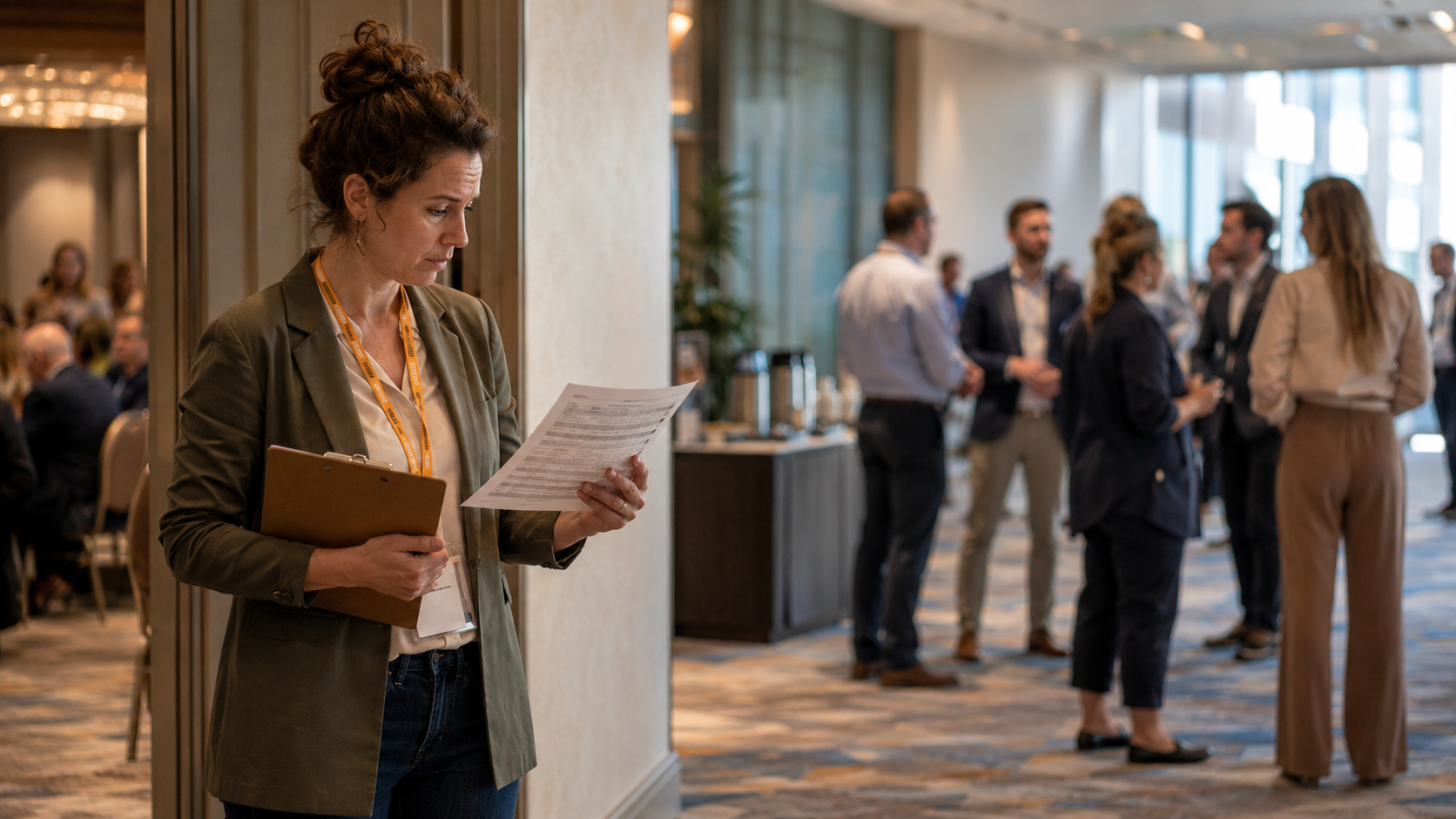
Engagement doesn’t die because your event is boring. It often dies because the event is exhausting.
This is a practical way to think about attendee engagement pressure: what it really means, where organizers accidentally make it worse, and how to design an event flow that helps people participate without needing a constant stream of activities.
What “engagement pressure” actually looks like
Organizers usually feel this pressure in three places:
- Program fatigue: the agenda is packed, but energy drops after lunch, or midway through day two.
- Networking gaps: attendees want to meet people, but the event doesn’t give them a reliable way to do it (beyond “go mingle”).
- Weak signals: you can’t tell what worked until weeks later, when the post-event survey finally limps in.
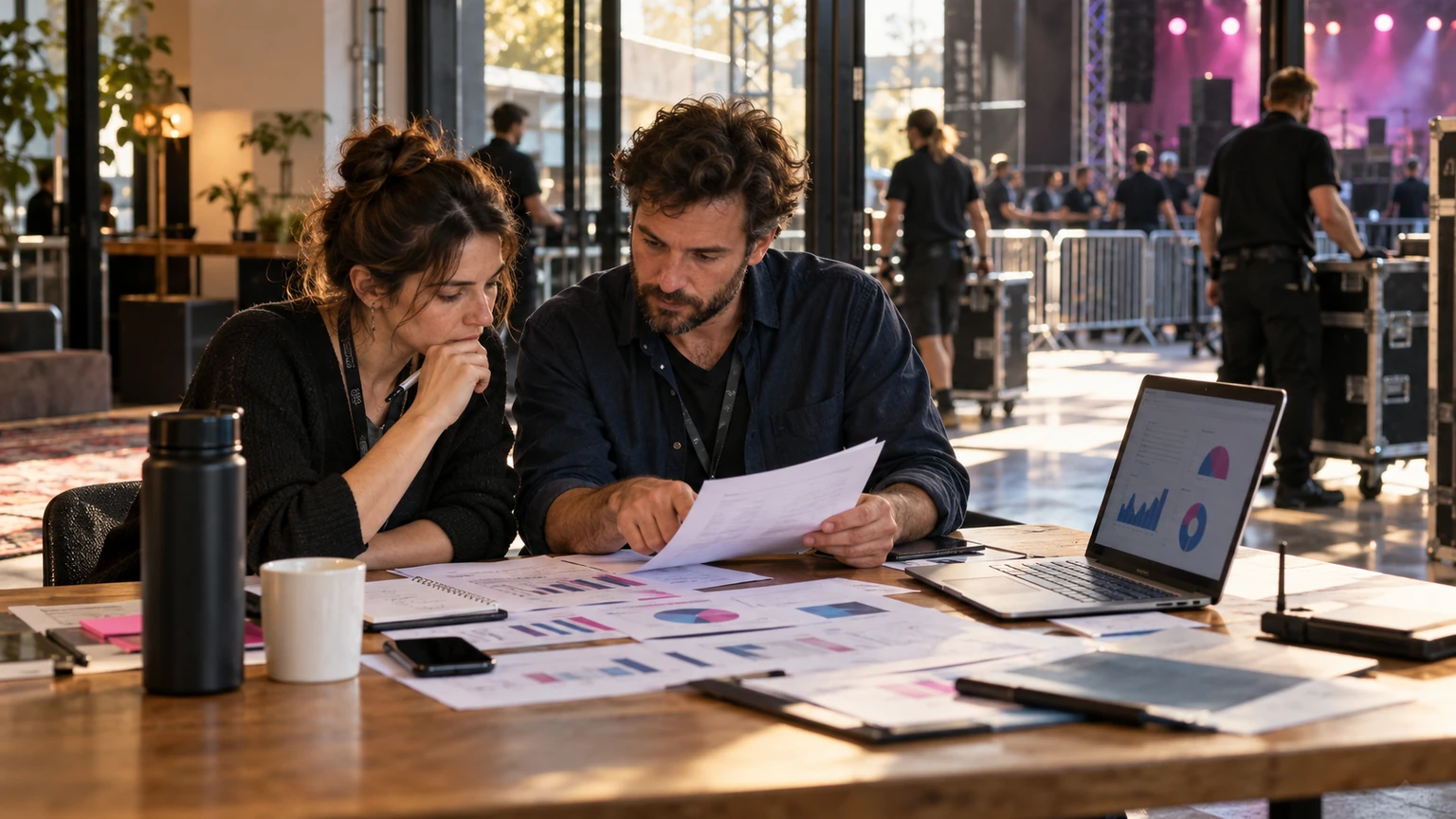
None of these are solved by “more content.” They’re solved by clearer structure and faster feedback loops.
The organizer trap: overprogramming as a coping mechanism
Overprogramming happens when you try to eliminate dead time by filling every minute. The result is often:
- sessions competing with each other (and with coffee)
- no breathing room for conversations
- attendees skipping blocks and feeling behind
- a schedule that’s hard to communicate (and harder to change)
A better goal is not “keep everyone busy.” It’s “make the next decision obvious.”
A practical engagement plan (that doesn’t require a game show)
Here’s a simple way to plan engagement without turning the event into constant activities.
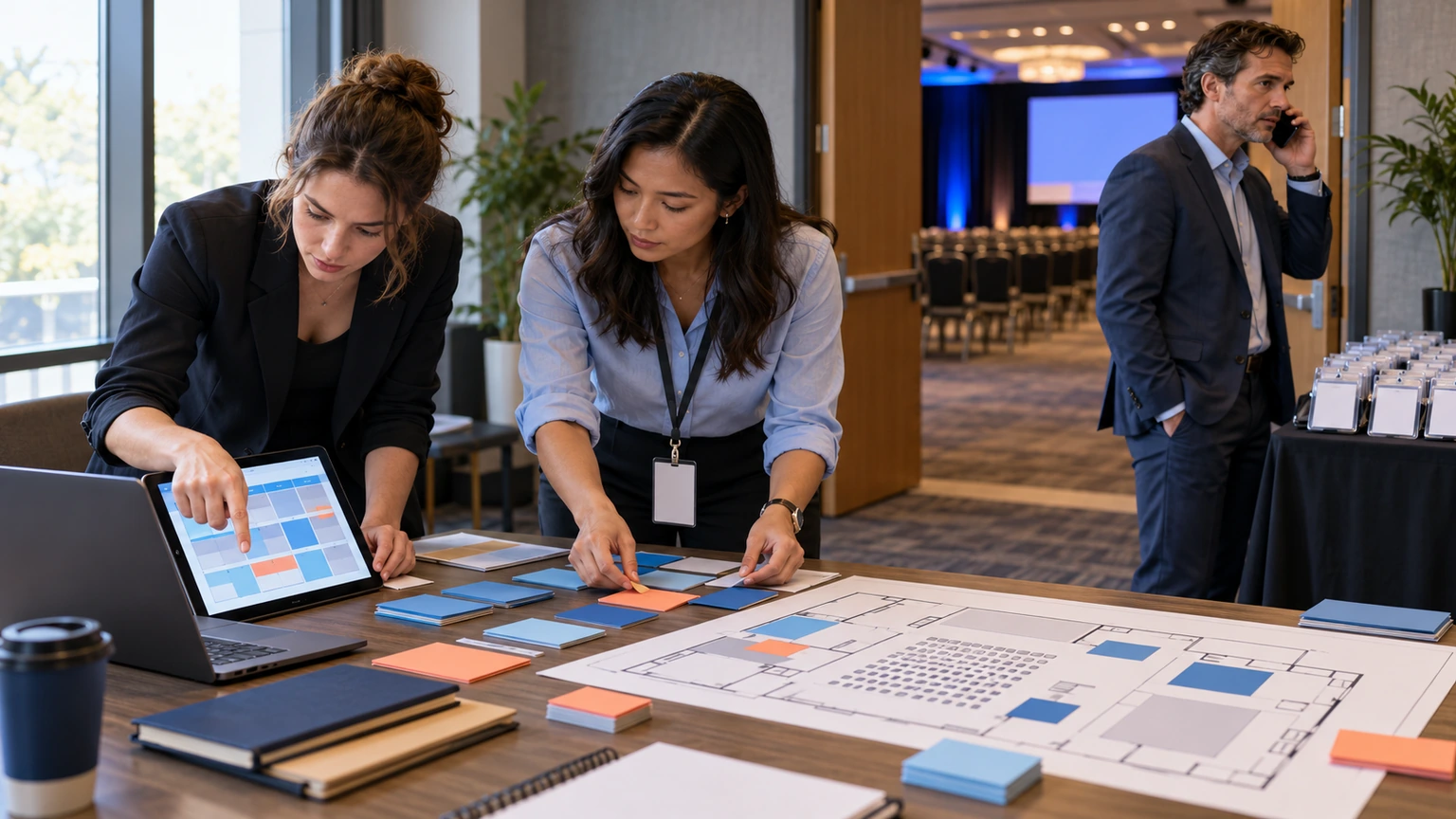
1) Design the agenda for decision-making
If attendees can’t tell what’s next, where to be, and why it matters, engagement drops.
Give people a clear way to choose. In Bewitt, the participant experience can include agenda views and agenda registration (when your event uses it), so attendees can decide what to attend instead of guessing based on a PDF screenshot in a group chat.
From the attendee side, the goal is simple:
- see what’s on, right now
- understand what’s happening next (and where)
- register for sessions where registration applies
- make a quick decision without asking staff
2) Treat session notes as engagement, not admin
People don’t just want to “consume content.” They want to leave with something: an idea, a contact, a next step, a sentence they can repeat to their team.
If your event includes it, letting attendees take notes during sessions is a quiet form of engagement. It turns a talk into an artifact: something they can refer back to later, instead of a blur of slides and caffeine.
The best part is it doesn’t add more programming. It makes the programming you already have more usable.
3) Make networking a real workflow, not a suggestion
“Networking” is often the top reason people attend. It’s also the least structured part of many events.
If your event enables networking, give attendees a clear place to do it, and pair it with a few obvious moments in the agenda where conversations can happen without feeling like people are “skipping content.”
That can be as simple as:
- a dedicated networking block (no parallel sessions)
- topic-based meetups with a clear start/end time
- speaker Q&A prompts that lead into hallway conversations
If you want networking, you have to schedule it like it matters.
4) Use light engagement mechanics to guide behavior (only if they fit)
Some events benefit from a little structure that nudges people to participate. In Bewitt, engagement modules like quizzes, missions, rewards, and a leaderboard can be enabled per event.
The key is restraint. Pick behaviors that make the event better for everyone:
- Missions: “Introduce yourself to one new person,” “Visit two sponsors,” “Leave feedback for two sessions.”
- Quizzes: quick check-ins after workshops (more useful than trivia).
- Rewards: small incentives for completing missions (keep it simple).
If the mechanics don’t match your audience, skip them. Engagement isn’t mandatory fun. It’s participation with a purpose.
5) Capture feedback while it’s still fresh
If you wait until the end of the event, you’ll get vague answers (or no answers).
When feedback is part of the event flow, you can learn faster: what sessions landed, what was confusing, and what needs to change next time. Bewitt supports feedback modules when enabled, so you can ask for input close to the moment it happened.
Where Bewitt fits (without pretending it does everything)
Bewitt won’t “make” attendees engaged. But it can help you run the engagement-critical parts of the event without juggling five separate tools.
When registration, participant access, agenda, check-in, networking (if enabled), engagement modules (if enabled), feedback, and reporting live in one event workspace, you spend less time reconciling tools and more time improving the parts that shape the attendee experience.
It’s not about doing everything. It’s about keeping the work connected to the same event record, so changes don’t get lost and learnings don’t disappear after the closing keynote.
A quick checklist for your next event
- Agenda: does every block answer “what do I do next” in one glance?
- Breathing room: did you schedule unhurried time for conversations?
- Networking: if you promise it, is there a real place for it (and a real time for it)?
- Light mechanics: if you enable quizzes/missions/rewards, do they reinforce your event goals?
- Feedback: are you capturing it during the event, not weeks later?
If you want to pressure-test your current setup, a good next step is simple: compare your engagement workflow today (agenda updates, networking prompts, feedback collection, sponsor visibility) with what it would look like if it lived in one event workspace.