Most event teams say they want attendees to promote the event.
Far fewer design for it.
That is the difference that matters. Promotion usually does not happen because people had a good time and spontaneously decided to post about it. It happens because the event gave them clear reasons, good moments, and easy prompts to share.
For organizers, that matters for two practical reasons: reach and sponsor value. If attendees, speakers, and partners help distribute the event story, the event gains more visibility without relying only on paid promotion or last-minute social pushes.
Attendee advocacy works best when it is treated as an event workflow, not a happy accident.
Why this matters
The source idea here is straightforward: event teams can turn attendees and speakers into promoters through pre-event hype, on-site prompts, and post-event advocacy.
That is a useful operating model because it connects marketing to event delivery.
It also gives sponsors something more concrete than logo placement. If the event creates more attendee sharing, speaker amplification, and community conversation, sponsor visibility can improve too, especially when activations are tied to moments people actually want to post about.
What we should not do is pretend there is one universal playbook or claim that every event can manufacture virality on demand. Audience behavior varies by event type, brand strength, speaker lineup, and community culture.
Still, there are practical steps that make promotion more likely.
Start before the event, not on opening day
If the first time you ask people to share is when they arrive on site, you are already late.
Pre-event promotion works best when attendees and speakers are given something specific to talk about before the event begins.
Give attendees a reason to announce they are coming
People are more likely to share attendance when the post helps them signal something useful: what they care about, who they want to meet, or why the event is worth their time.
That can include:
- a simple “I’m attending” prompt with the event name and date
- speaker announcements people can repost
- session picks or agenda highlights worth sharing
- community meetups or topic-based gatherings
- countdown moments tied to registration deadlines or major reveals
The point is not to flood people with assets. The point is to make sharing feel natural and timely.
Make speaker promotion easier than silence
Speakers are often willing to promote, but many teams create friction by sending vague requests.
A better approach is to give speakers clean, ready-to-use prompts. For example:
- one short announcement they can copy and personalize
- a clear description of their session topic
- key dates for when promotion matters most
- links that direct people to the right event page
That is not complicated, but it does require planning.
The more work a speaker has to do to promote your event, the less promotion you will get.
Build shareable moments into the on-site experience
Once the event starts, promotion depends less on intention and more on timing.
People post when something gives them a reason to stop and share. In operations terms, that means the event should create visible, easy, low-friction moments that support public participation.
Use prompts where attention already exists
Do not treat social sharing as a separate campaign running beside the event. Put prompts where attendees are already engaged.
Examples include:
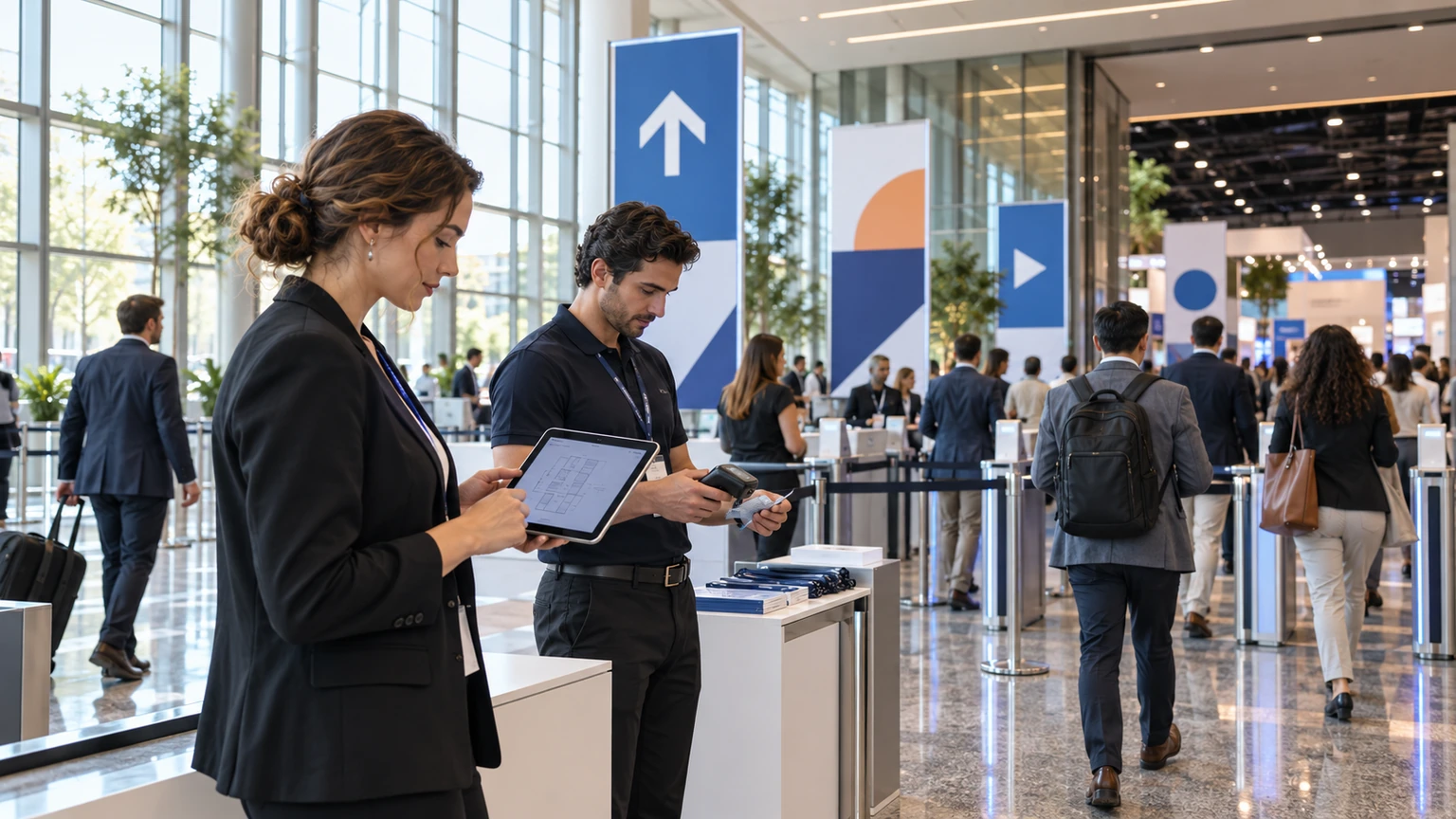
- check-in areas with a simple welcome message worth posting
- main-stage transitions that invite attendees to share a quote or takeaway
- networking zones with a conversation prompt or community theme
- sponsor activations that are actually interactive, not just branded
- award moments, milestones, or reveals that create a natural peak
The operational lesson is simple: if you want more attendee promotion, design around moments, not just messages.
Give attendees language, not just branding
Many organizers overfocus on visuals and underfocus on what people should say.
A branded backdrop might help with photos. But a better prompt often includes a sentence people can use: what they learned, who they met, what surprised them, or what they are looking forward to next.
That helps especially at business events, where attendees may want to sound useful or insightful rather than promotional.
Support speakers on site too
Speaker advocacy should not end once they arrive.
If a session goes well, that is one of the strongest promotion windows the event has. Teams should be ready to encourage post-session sharing while the energy is still high.
That may mean reminding attendees to share a key insight, encouraging speakers to post one takeaway after their talk, or making sure notable quotes are captured quickly for follow-up use.
Turn sponsor value into something visible
There is a direct commercial benefit to attendee promotion when it supports sponsor outcomes.
That does not mean forcing every attendee interaction into branded content. It means thinking more carefully about which sponsor moments people would genuinely share.
Good sponsor-linked advocacy usually has one or more of these qualities:
- it helps attendees do something useful
- it gives access to an expert, experience, or community moment
- it feels relevant to the event theme
- it produces a takeaway people want to talk about
For organizers, this creates a better story for sponsors. Instead of only reporting footfall or placement, the team can point to how sponsor activations participated in the wider event conversation.
That is more credible than claiming exposure without evidence.
Do not stop at the closing session
Post-event advocacy is often the most overlooked stage.
By the end of the event, attendees know whether it was worth talking about. Speakers know whether their session landed. Sponsors know whether they saw real engagement. That makes the post-event window important.
Ask for reflection, not just praise
Many follow-ups are too generic: “Thanks for attending, share your experience.”
A better prompt is more specific. Ask attendees what they learned, who they met, what session stayed with them, or what they want to see next time.
That tends to produce more useful advocacy because it invites substance, not just compliments.
Extend the life of speaker content
Speakers can continue promoting the event after it ends if they have something meaningful to point to. A recap, a quote, a key idea, or a strong audience response can all help extend visibility.
The event team does not need to overproduce this. It just needs to make it easy for speakers to continue the conversation while the event is still fresh.
What to measure if you want this to improve
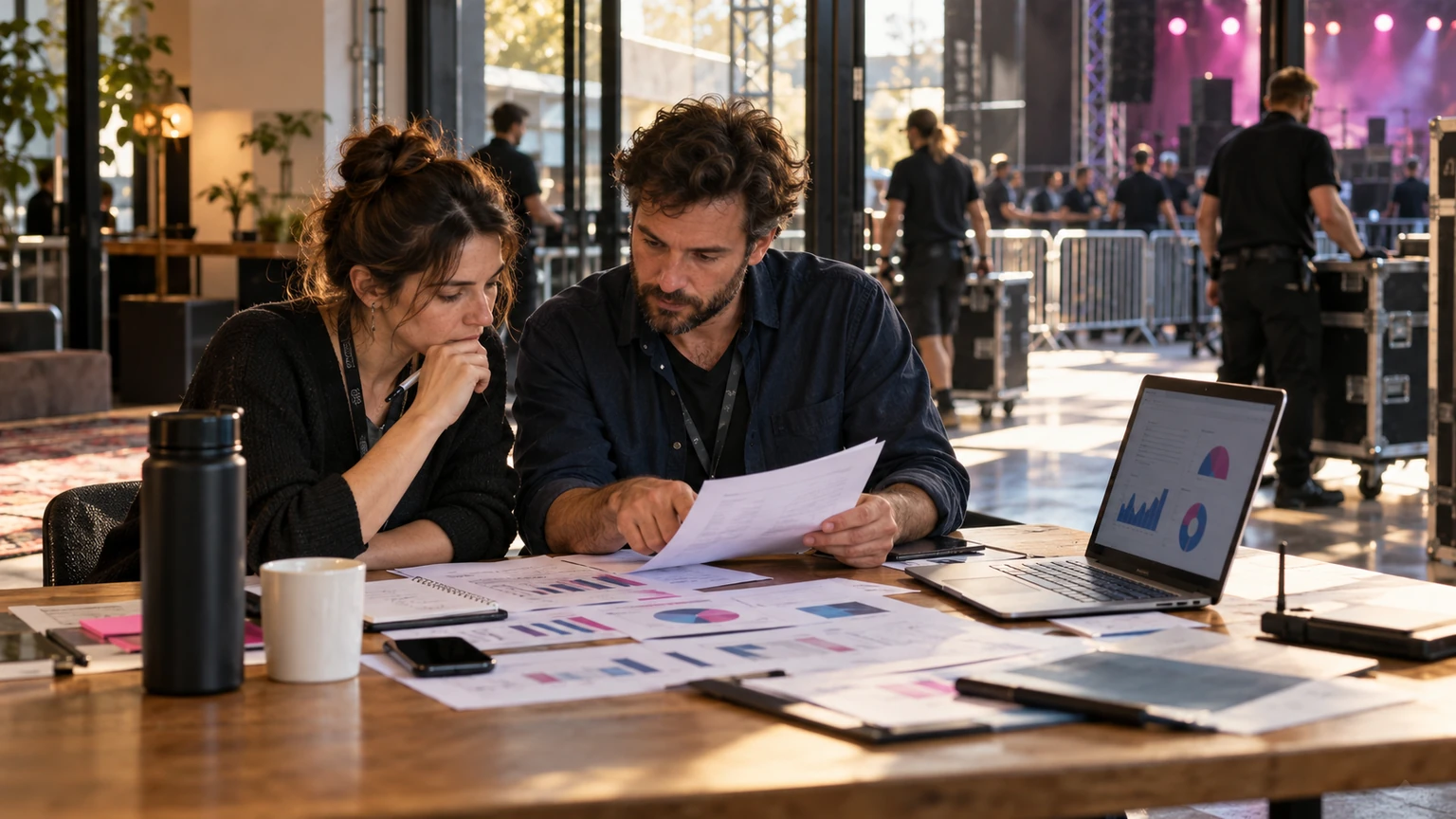
If attendee advocacy matters, it should be measured like any other operational priority.
Not every event needs a complicated attribution model. But teams should define a small set of practical indicators before the event starts.
Useful metrics may include:
- number of attendee posts during the event window
- number of speaker posts before and during the event
- engagement on official event hashtags or campaign phrases
- shares tied to specific sessions, activations, or sponsor moments
- traffic to registration or event pages from shared links
- growth in followers, subscribers, or community sign-ups around the event
- post-event mentions that continue after the closing date
If sponsors are involved, you may also want to compare which activations generated visible attendee response and which did not.
That can help shape future packages more intelligently.
Where teams usually get this wrong
Most missed opportunities are not caused by a lack of enthusiasm. They come from avoidable planning gaps.
- asking attendees to share without giving them a good reason
- sending speakers vague requests too late
- treating on-site promotion as a marketing job instead of a cross-team workflow
- creating sponsor activations that are visible but not interesting
- measuring impressions only, without looking at actual participation
- waiting until after the event to decide what success would have looked like
These are operational issues as much as marketing issues.
A practical checklist for turning attendees into promoters
- identify the attendee and speaker moments most worth sharing
- prepare simple pre-event prompts people can personalize
- give speakers clear, reusable promotional language
- plan on-site prompts around real attention points
- brief staff and partners on when to encourage sharing
- align sponsor activations with moments attendees actually value
- capture post-event takeaways while the event is still fresh
- track a small set of metrics tied to advocacy, not just reach
What this means for event teams
Turning attendees into promoters is not really about chasing hype for its own sake.
It is about creating a cleaner link between audience energy, event experience, and measurable visibility.
The strongest approach is usually the simplest one: give people something worth sharing before the event, remind them at the right moments on site, and invite them to continue the conversation after it ends.
Done well, that can help events grow through their own participants, while also giving sponsors stronger evidence that the event generated attention beyond the room.
That is useful not just for marketing, but for the whole event operation.