Professional development can feel separate from event-day pressure.
Teams attend leadership programs, take notes, discuss best practices, and then return to a venue where doors still open at the same time, queues still form in the same places, and staff still rely on workarounds.
That is why the real value of training is not the program itself. It is what changes in the operating model afterward.
The public signal behind this topic is limited but useful: the Venue Management Association is preparing for its 2026 Venue Management School and Leadership Institute. That points to a clear industry trend, venue operations is becoming more structured, more professionalized, and more intentional about management education.
That does not give us a case study of one venue or one platform deployment. It does support a practical discussion about how venue teams can translate professional development into cleaner event operations.
Training helps only when it changes decisions, handoffs, and routines on the ground.
Why this matters for venue operators
Venue teams do not struggle because they lack effort. They usually struggle because important knowledge stays informal.
One experienced manager knows how to handle ingress pressure. Another knows which tenant always needs extra loading dock time. A third knows which staffing pattern works best for mixed audience events. When that knowledge is not turned into repeatable process, efficiency depends too much on memory and individual heroics.
Professional development matters because it gives teams a reason to formalize what good operators already know.
- what should be standardized
- what should be escalated
- what should be measured
- what should be communicated earlier
- what should be rehearsed before event day
That is where operational efficiency starts improving.
What the public signal tells us, and what it does not
From the source idea provided, the confirmed signal is straightforward: venue management education and leadership programming remain active priorities heading into 2026.
That suggests operators are looking for stronger management practices, not just stronger event execution in isolation.
What this does not confirm on its own is:
- which exact operating frameworks those programs teach
- which venues have already applied them successfully
- what technology stack any participating venue uses
- what measurable efficiency gains were achieved
- whether every lesson applies equally across arenas, theaters, convention spaces, and civic venues
That distinction matters. The source supports practical planning guidance, but not exaggerated claims.
A leadership program can signal where the industry is heading. It does not replace the work of adapting those lessons to your own building.
Where training most often improves venue efficiency
1. Pre-event planning discipline
Many venue inefficiencies begin before anyone arrives on site.
If event requirements are captured inconsistently, operations teams spend the final days before showtime resolving preventable confusion. Professional development often reinforces a simple lesson: good execution starts with better information intake and clearer internal planning ownership.
In practice, that means tightening how teams handle:
- event briefs and run sheets
- staffing assumptions
- tenant and promoter requirements
- access and credential planning
- load-in and load-out timing
- security and guest services coordination
2. Front-of-house flow
Attendee experience is often the most visible sign of operational maturity.
Leadership and venue management training usually pushes teams to think beyond isolated tasks and focus on movement through the building as one connected journey.
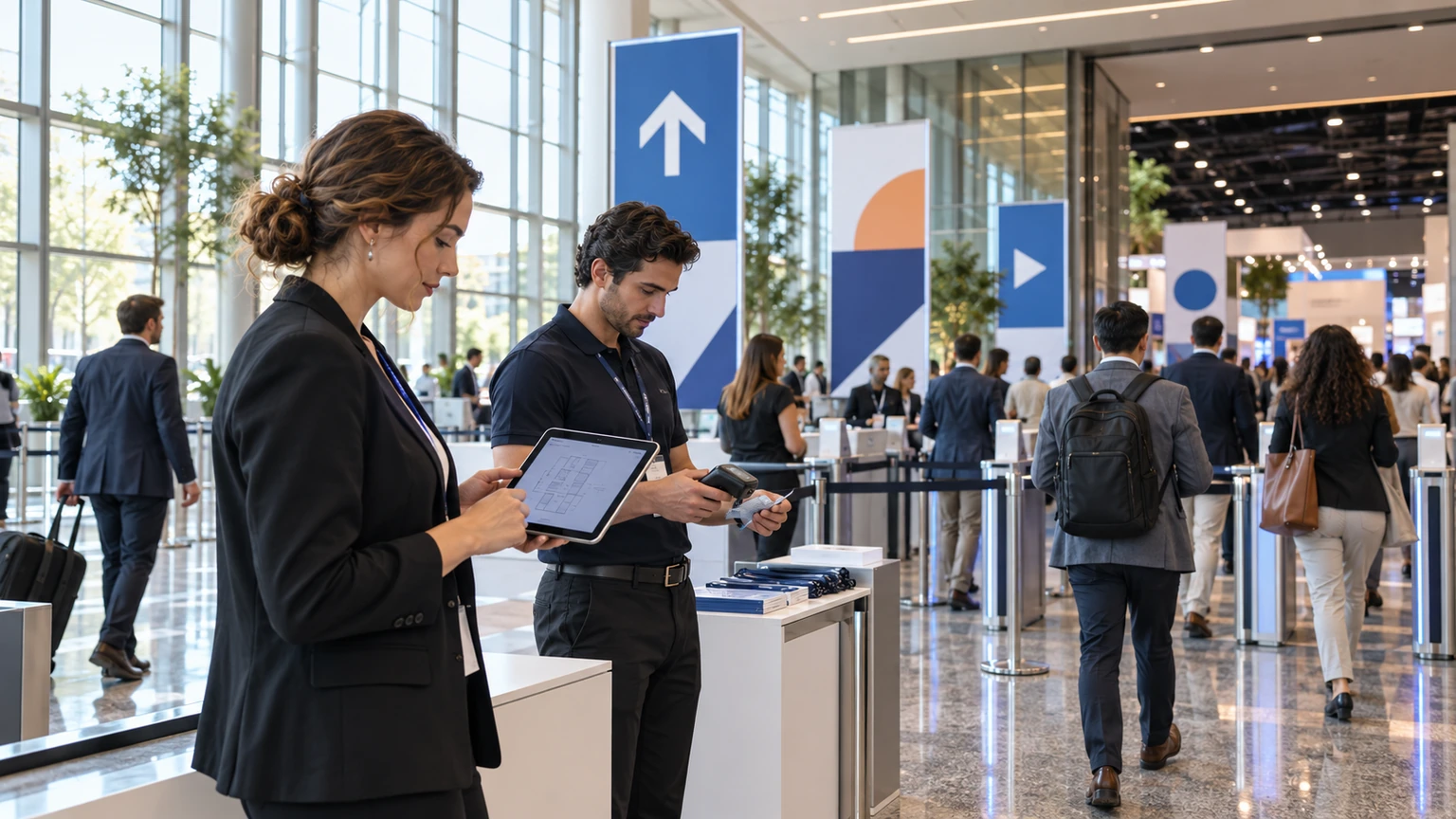
That includes entry points, ticket scanning, bag check, wayfinding, concessions pressure, restroom traffic, and post-event egress.
When teams review these moments as a system, they usually find that delays are not random. They come from unclear sequencing, weak communication, or staffing placed in the wrong spot.
3. Decision-making during live operations
Well-trained venue teams tend to escalate issues more cleanly.
They define who makes the call, what information is needed, and when an issue can be resolved locally versus when it needs senior intervention.
This matters during:
- entry surges
- last-minute room or gate changes
- staff absences
- artist or speaker timing changes
- weather-related adjustments
- security incidents
The operational gain is not just speed. It is consistency under pressure.
4. Post-event review
One of the most useful habits professional development can strengthen is the debrief.
Not a vague conversation about what felt busy, but a structured review of what happened, what slowed down, what confused guests, and what should change before the next event.
Without that step, training fades and recurring problems remain recurring.
How to turn professional development into operational change
Translate lessons into venue-specific standards
Training content is usually broad by design. Your venue is not.
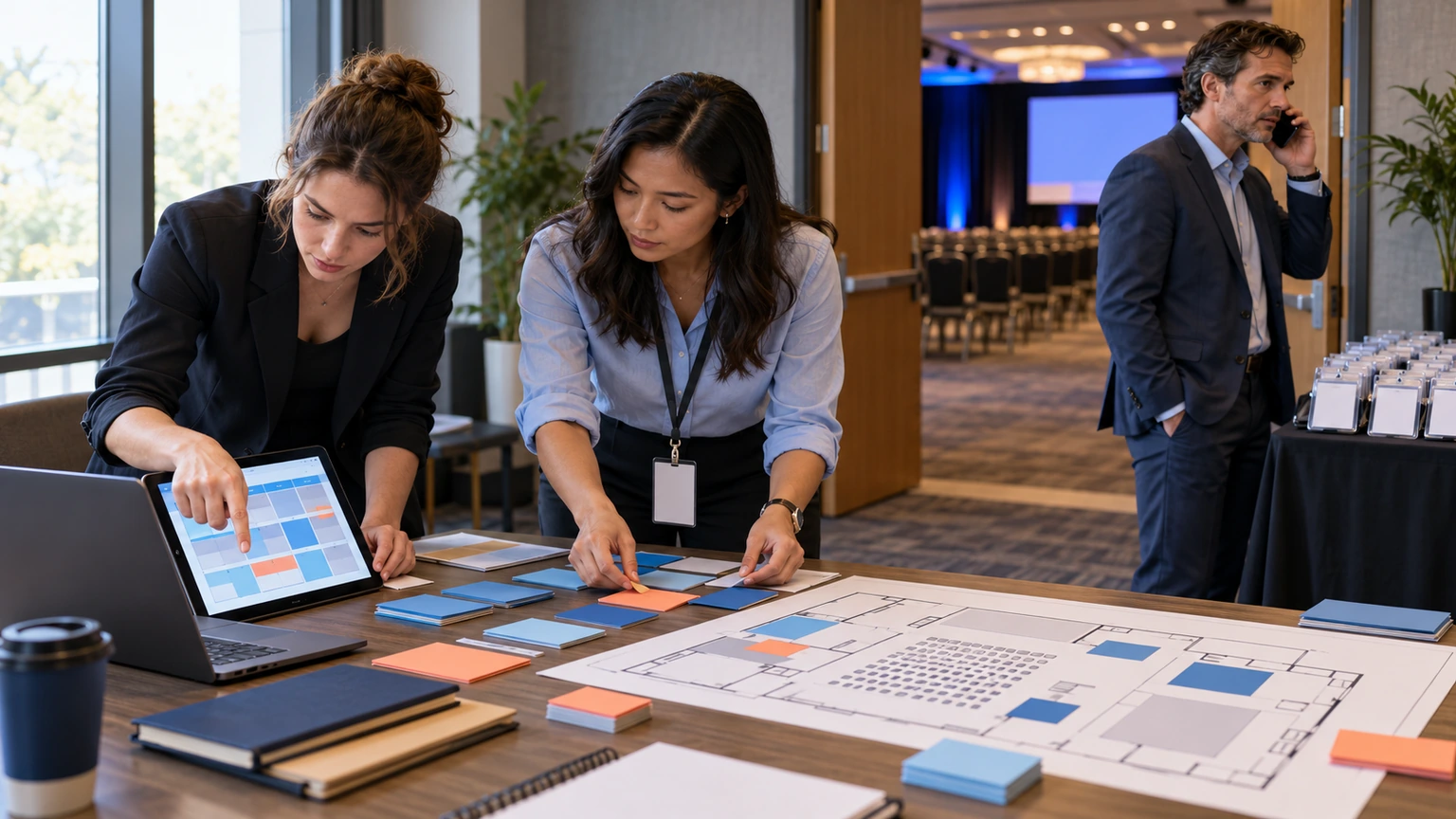
To make the learning useful, convert general ideas into local standards. If a leadership program emphasizes communication clarity, define what that means in your building. If it stresses accountability, decide which decisions need named owners. If it highlights attendee flow, map your actual choke points.
A practical approach is to ask after every training session:
- what process should change
- what document should be updated
- what role should own it
- what staff need to be briefed
- what result would show improvement
Build repeatable operating playbooks
Professional development should reduce dependence on improvisation.
That does not mean every event runs identically. It means common situations should have common playbooks.
Useful playbooks often include:
- event-day opening procedures
- high-volume ingress plans
- VIP arrival handling
- escalation routes for schedule changes
- weather contingency procedures
- end-of-night egress and shutdown steps
The more these are written, reviewed, and practiced, the easier it becomes for training to affect real execution.
Use one source of operational truth
A frequent problem in venue operations is that teams learn better management habits but still run the event through scattered messages, separate documents, and verbal updates.
That weakens the value of training immediately.
Whatever system a venue uses, the goal should be simple: core event information should be current, visible to the right people, and consistent across departments. If plans are changing in one place but not another, efficiency disappears fast.
For teams using Bewitt as part of their event operations workflow, the practical opportunity is to make sure training-led process improvements are reflected in the same place teams already coordinate event details, responsibilities, and attendee-facing execution.
Measure the right operational outcomes
Training often gets evaluated by participation. Operations should evaluate it by impact.
Useful measures may include:
- check-in throughput times
- entry queue length at peak periods
- number of last-minute operational exceptions
- radio or staff escalations by category
- time required to finalize event-day plans
- post-event incident patterns
- guest complaints tied to navigation or delays
You do not need a perfect analytics model to improve. You need enough consistency to spot whether the process is actually getting cleaner.
Practical operating priorities after a leadership or venue management program
If a venue manager or department lead returns from a professional development program, these are good first actions for the next 30 to 60 days.
- Run one cross-functional review
Bring together operations, guest services, security, production, and event coordination. Identify two or three recurring points of friction that appear across event types. - Update one critical workflow
Choose a process with visible operational consequences, such as pre-event briefing, ingress planning, or event-day escalation. Document it more clearly than before. - Assign ownership
Do not leave improvements as shared intentions. Name an owner for each change. - Brief frontline staff
Efficiency gains often fail because only managers heard the training message. Translate the change into clear instructions for supervisors and event-day teams. - Review results after the next comparable event
Check whether the new approach reduced confusion, delays, or manual fixes.
Where venue teams often get stuck
They keep training separate from operations
If learning stays in conference notes or manager discussions, it will not improve the event.
They try to redesign everything at once
It is usually better to improve a few high-friction workflows than to launch a broad operational reset with no follow-through.
They do not document local decisions
Even good managers fall back on memory when the pace gets busy. Documentation matters because teams change, events vary, and pressure exposes gaps quickly.
They measure effort instead of outcomes
Hours spent in training are not the result. Better throughput, fewer exceptions, and clearer execution are the result.
A simple checklist for turning training into better venue operations
- identify the top three recurring operational bottlenecks
- map where responsibility is unclear
- standardize one planning document or event brief
- document one live-event escalation path
- align all departments on the current version of event information
- brief frontline staff before the next event
- capture results in a short post-event review
- repeat the process for the next workflow improvement
What this means for event teams
The growing focus on venue management education is a useful signal for operators. The industry is treating operational excellence more seriously, and that is a good thing.
But the practical test is still local.
A venue becomes more efficient when professional development changes how information is collected, how teams coordinate, how decisions are made, and how lessons are carried into the next event.
That is the real bridge between learning and live delivery.
For venue teams, the opportunity is simple: take the best ideas from management training and turn them into visible, repeatable operating habits that reduce friction for staff, tenants, and attendees alike.