A reported plan for WFFSA FDC 2027 to become a bigger floral industry gathering in Miami is a useful signal for conference organizers, exhibition managers, and trade show teams.
On its own, that public signal does not give us the full event blueprint, floorplan, service model, or attendance forecast. But it does point to something operationally important: when a niche industry event grows, the planning challenge is not only getting more people into the room. It is protecting the quality of movement, meetings, exhibitor value, and on-site execution as complexity rises.
That matters especially in category-specific events like floral and flower industry conferences, where supply chain relationships, product presentation, buyer-seller conversations, and timing all shape the experience.
Growth is not just a marketing outcome. At conference level, it is an operations test.
Why this matters
Smaller or mid-sized industry events can often absorb imperfections through familiarity. Attendees know each other, exhibitors are forgiving, and staff can solve issues informally.
A larger edition changes that.
More scale usually means more pressure in predictable places:
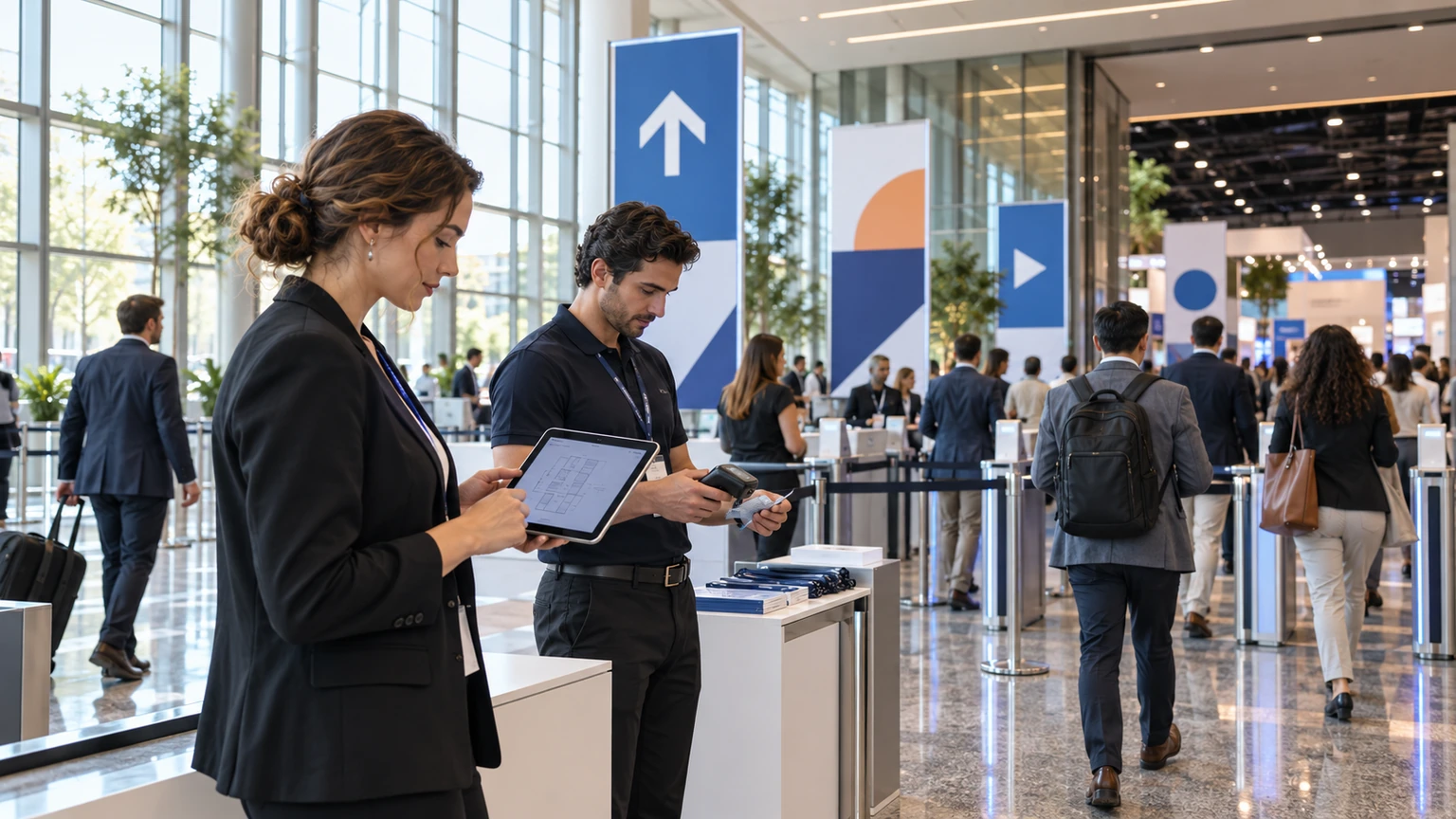
- arrival and badge pickup take longer if entry design stays the same
- education, networking, and expo traffic begin competing for the same attendee time
- exhibitors expect more structured lead flow and clearer service levels
- wayfinding becomes more important across larger venues
- loading, drayage, storage, and install windows become less flexible
- VIPs, buyers, speakers, and sponsors create more exceptions to manage
For event teams, the practical question is simple: what worked at the previous size may not work at the next one.
What the public signal actually tells us
From the information available here, the confirmed signal is limited but useful: WFFSA FDC 2027 is reportedly positioned as a bigger floral industry gathering in Miami.
That is enough to support a practical discussion about how event teams should plan when a sector conference expands.
What it does not confirm on its own is:
- the final venue configuration
- the projected attendee count
- the size of the exhibition component
- which buyer, networking, or education formats will be used
- how on-site operations and exhibitor servicing will be structured
That distinction matters.
A growth announcement is a useful planning signal, not a complete operating blueprint.
Venue choice becomes a workflow decision, not just a capacity decision
When conferences scale up, teams often focus first on whether the venue is big enough. That is necessary, but not sufficient.
The better question is whether the venue supports the event's actual operating pattern.
For a flower industry conference, that can include:
- how easily exhibitors can load in and load out
- whether back-of-house access is practical
- how far attendees must walk between sessions, expo areas, and networking spaces
- whether meeting areas are close to the exhibition floor
- how well the venue handles high-traffic windows
- whether local hotel inventory supports the event pattern
Miami may be attractive for many reasons, including access, destination appeal, and hospitality capacity. But destination value does not replace functional event design.
If the venue footprint forces attendees to choose between content and commerce too often, both can suffer.
Start with attendee flow before floorplan polish
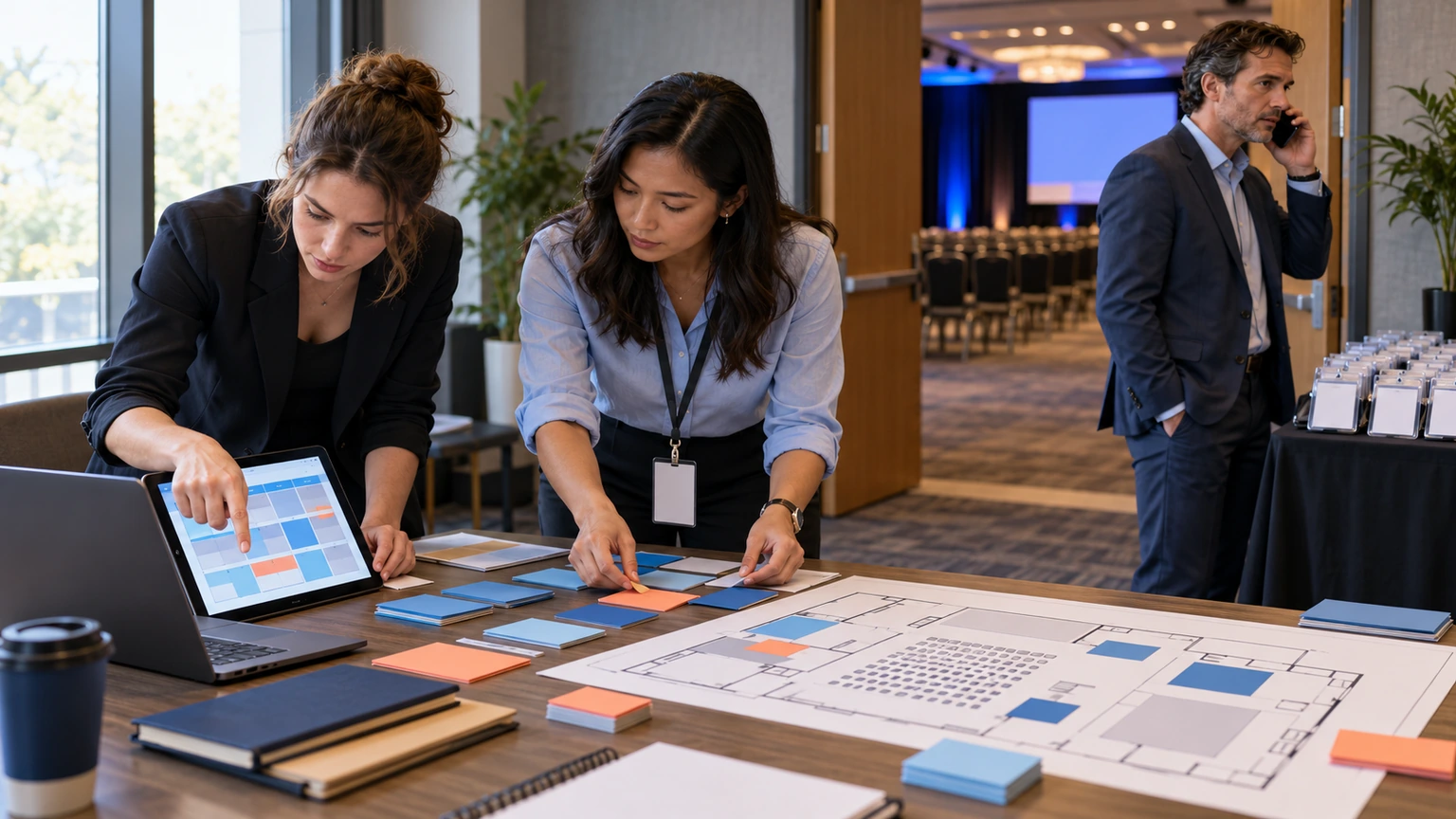
At a growing conference, attendee flow should be mapped early.
That means understanding where density will build during the day:
- first-morning registration
- general session release
- coffee and lunch transitions
- expo opening windows
- networking receptions
- end-of-day transportation departures
These are not minor details. They shape whether the event feels easy or tiring.
A practical planning step is to review the attendee journey as a movement model, not only as an agenda. Ask where queues form, where people hesitate, where signage is needed, and where staff intervention is most likely.
Questions to pressure-test flow
- Can first-time attendees understand where to go without asking for help?
- Will expo traffic benefit from natural pass-through, or does it require deliberate routing?
- Are networking areas placed where people already pause, rather than where space happened to be available?
- Do buyers, exhibitors, and general attendees move through the same bottlenecks?
- Can service desks absorb exceptions without blocking entry?
When events expand, the friction points usually stay the same. They just become more visible.
Exhibitor experience needs more structure at larger scale
As an industry gathering grows, exhibitor satisfaction depends less on simple presence and more on operating clarity.
Exhibitors want to know:
- what move-in will actually look like
- when freight or materials can arrive
- how labor, utilities, and venue rules work
- what attendee traffic patterns to expect
- how meeting opportunities will be supported
- who can solve problems on site
At smaller events, some of this can be handled reactively. At larger ones, weak exhibitor communication becomes a real service failure.
A useful approach is to build the exhibitor experience around three phases: pre-show clarity, on-site support, and post-show follow-through.
1. Pre-show clarity
Exhibitors should not have to piece together critical information across too many channels.
Provide one clear operating path that covers:
- key dates and deadlines
- shipping and receiving instructions
- booth regulations and venue constraints
- setup and teardown windows
- contact points for urgent questions
- sponsor and exhibitor entitlements
The goal is not more documents. It is fewer unclear handoffs.
2. On-site support
On event days, exhibitor service has to feel organized.
That usually means:
- a clearly identified exhibitor help point
- fast escalation for utilities, furniture, or access issues
- floor managers who know the hall well
- visible communication about timing changes
- clear processes for badge problems and extra staff access
Exhibitors judge the event partly by traffic, but also by how quickly issues are resolved.
3. Post-show follow-through
After a larger conference, exhibitors often want more disciplined reporting and rebooking communication.
If the event is growing, this is the moment to capture structured feedback on:
- booth location quality
- buyer relevance
- service responsiveness
- traffic timing
- value of networking formats
- operational pain points to fix next year
That feedback is more useful when collected quickly and reviewed against actual service incidents.
Networking design matters more when the room gets bigger
One risk in a larger niche-industry conference is losing the intimacy that made the event valuable in the first place.
That is especially relevant in relationship-driven sectors like floral.
If the event grows without redesigning networking, attendees may leave feeling that the conference was busier but less useful.
Organizers should think carefully about how to preserve connection quality through:
- well-timed receptions
- buyer-seller meeting areas
- category-specific meetups
- intentional lounge placement
- agenda spacing that allows real conversation
More people should create more opportunities, not more noise.
At industry gatherings, scale creates value only if people can still find the right conversations.
Operational planning should reflect product sensitivity and presentation needs
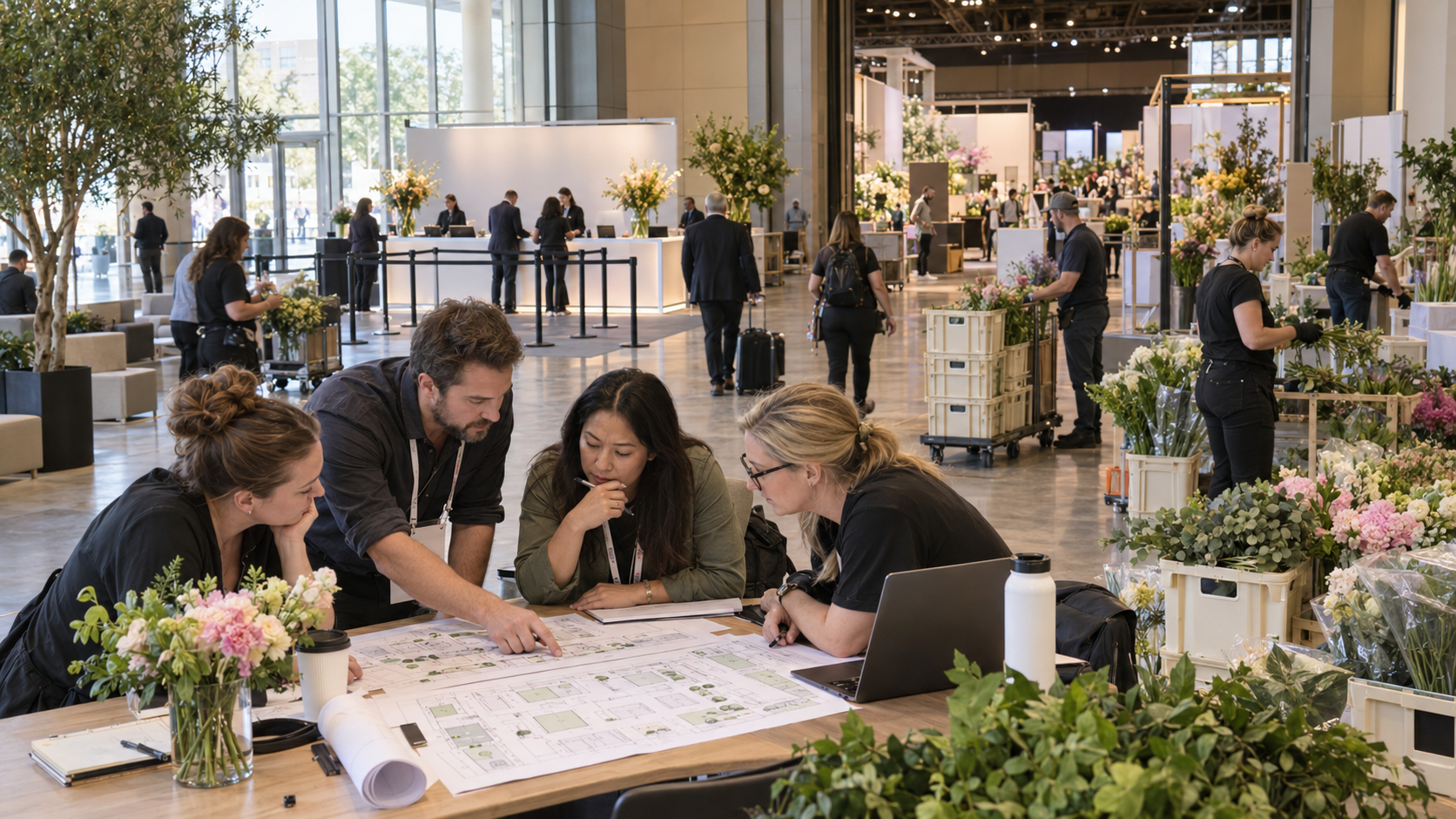
Flower industry events can involve display, product handling, and exhibitor presentation expectations that differ from many standard conferences.
Even without assuming a specific show format, event teams should review whether the venue and service plan support the realities of visually driven exhibiting.
That can affect decisions around:
- load-in timing
- staging access
- temperature-sensitive areas where relevant
- waste and cleanup routines
- water access and utility coordination if needed
- set-up schedules that avoid unnecessary congestion
Not every exhibitor will have the same needs. That is why category mapping matters. Teams should identify early which exhibitor groups require standard support and which may need more specific servicing instructions.
Do not let programming compete with the expo by accident
As conferences grow, organizers often add more sessions, more speakers, and more agenda tracks. That can raise value, but it can also fragment attention.
If every strong session runs during prime expo hours, exhibitors may feel short-changed. If the expo dominates every key window, education can suffer.
The better approach is to decide what each part of the day is designed to do.
A simple structure may include:
- anchor content at predictable times
- protected expo windows with minimal competition
- networking moments immediately after major sessions
- meeting time built into the official schedule
That kind of agenda discipline becomes more important as the event gets larger.
A practical checklist for planning a larger industry conference
- Confirm whether venue capacity also works for movement, not only headcount
- Map attendee flow across arrival, content, expo, and networking peaks
- Review exhibitor servicing as a full workflow, not a document pack
- Separate standard attendee support from exceptions and VIP handling
- Protect expo time in the agenda deliberately
- Place networking where people can actually use it
- Test signage, registration, and service desk logic before event week
- Assign clear on-site ownership for exhibitor and operational escalation
- Capture structured feedback from exhibitors and attendees quickly after the event
- Use this year's growth plan to build next year's operating model
What organizers should not assume
Event growth can be encouraging, but it also creates false confidence if teams assume that more demand automatically means a better experience.
Organizers should not assume:
- a larger venue will solve flow problems on its own
- more exhibitors automatically improve floor energy
- more agenda content automatically increases value
- repeat attendees will tolerate the same friction at a larger scale
- exhibitor satisfaction depends only on attendance volume
Most complaints at larger events are not about ambition. They are about coordination.
What this means for event teams
The reported positioning of WFFSA FDC 2027 as a bigger floral industry gathering in Miami is worth watching because it reflects a familiar challenge in event operations: how to grow without making the event harder to navigate, harder to service, or less useful for exhibitors.
For organizers, the takeaway is practical. If a conference is expanding, treat venue choice, attendee flow, exhibitor support, and networking design as connected decisions.
That is usually where larger events succeed or struggle.
Done well, growth can strengthen the event's role in the industry. Done carelessly, it can dilute the very experience that made the event worth scaling.